Tokyo
Tokyo Bangkok
 Seoul
Seoul Singapore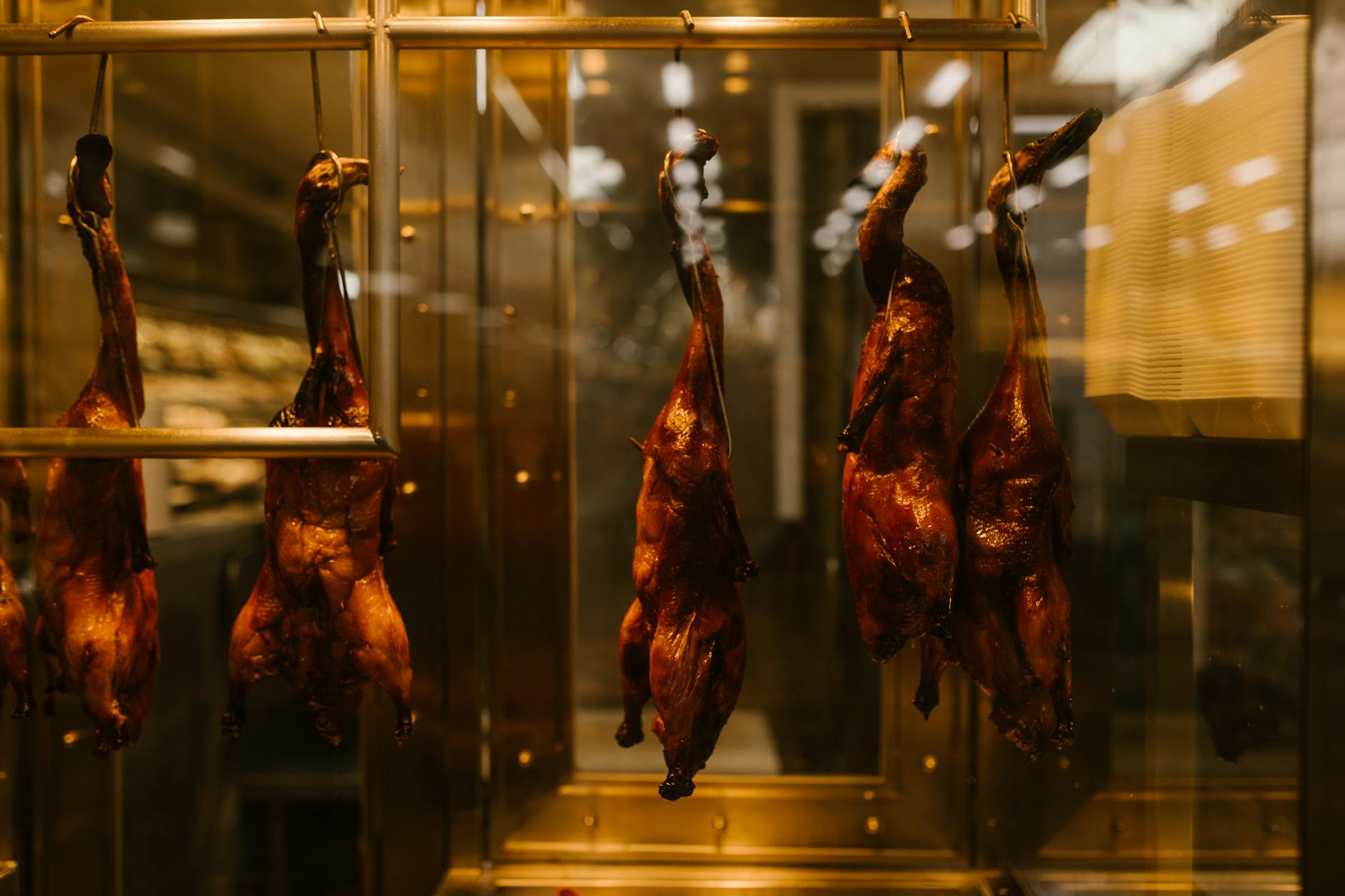
Make Char Siu Marinade at Home: Cantonese BBQ Pork Recipe
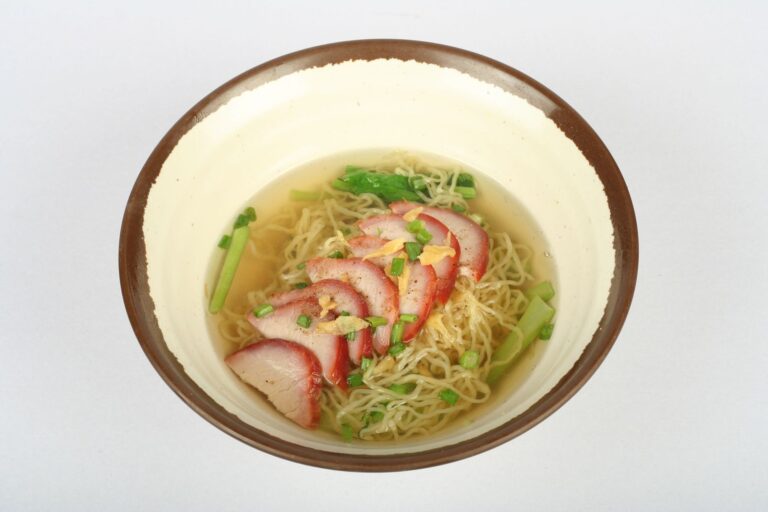
Most home cooks mess up char siu by treating it like American barbecue—all smoke and no subtlety. The real secret? Cantonese char siu relies on the marinade, not the flame. Walk into any good Hong Kong roasting shop—like those in Mong Kok—and you’ll see pork strips hanging under heat lamps, their surfaces glossy and crackled while the meat stays absurdly tender inside. That’s no accident. Three ingredients make it happen: five spice powder, hoisin sauce, and fermented tofu. Together, they create char siu that puts sad dim sum trolleys to shame.
Five Spice: The Aromatic Backbone You Can’t Skip
Skip five spice powder, and you lose char siu’s soul. This mix—star anise, cloves, cinnamon, Sichuan pepper, fennel—builds that warm, slightly sweet base flavor. Pre-ground stuff fades fast. Better to toast whole spices for two minutes in a dry pan, then grind them fresh. For two pounds of pork shoulder, use a tablespoon in your marinade. It won’t overwhelm. Instead, it adds this quiet complexity that makes people pause mid-bite. A Sham Shui Po roasting master taught us this—he swapped his five spice every two weeks, keeping it in an old jam jar. Smart move. Those spices are doing the heavy thinking in your marinade.
Hoisin and Fermented Tofu: The Umami Partnership
Hoisin brings sweetness and color. But fermented tofu—that funky, salty stuff sometimes called tofu cheese—is what gives char siu its deep savory punch. Without it, you’re just making vaguely Asian pork. Mix three tablespoons hoisin with two tablespoons mashed fermented tofu, two tablespoons soy sauce, one tablespoon rice wine, one tablespoon honey, and your five spice. The fermented tofu melts right in, turning the marinade into an umami bomb. That’s how pro shops get that dark, sticky crust. Lee Kum Kee or Pearl River Bridge brands work great—find them in most UK or Aussie Asian markets. This combo takes your marinade from decent to legit.
Marinating and Roasting: Timing Matters More Than Temperature
Cut pork shoulder into two-inch strips. Let it swim in marinade overnight—eight hours minimum. That’s how five spice and fermented tofu get deep into the meat. Roast at 400°F (200°C) for 25-30 minutes, basting every ten minutes with extra marinade. This isn’t busywork. Skipping the basting gives you dry, dull pork. The glaze builds in layers, creating that iconic shiny crust. Rest the meat five minutes before slicing. You’ll see it—the outside all mahogany and slightly blackened, the inside juicy as hell.
Try this once, and you’ll get why char siu’s been a Cantonese staple for ages. It’s simple, just unforgiving. Stock fermented tofu and five spice, and you’re always 30 minutes from pork that actually tastes like the real thing.