Best Asian Food in Chicago: Korean, Japanese, Thai & Vietnamese
When Chicago’s Korean population exploded in the 1970s, they didn’t just open restaurants—they transformed entire blocks on the North Side into a functioning Korean city within a city. Today, that same entrepreneurial spirit defines Chicago’s Asian food scene, where immigrant communities have built neighborhoods that rival any major Asian culinary capital. Unlike coasts where Asian food arrived earlier, Chicago’s Asian restaurants developed with less outside pressure to Americanize, meaning what you find here is often closer to what locals actually eat in Seoul, Bangkok, or Hanoi.
Koreatown: Where Kimchi Ferments in Basement Restaurants
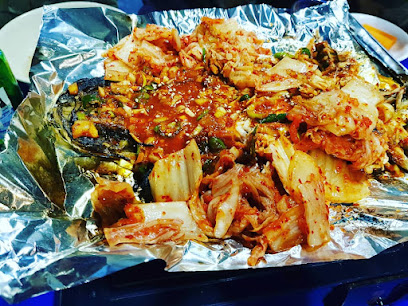
Centered around Lawrence Avenue between Kedzie and Western, Chicago’s Koreatown operates on a different rhythm than most neighborhoods. The real action happens after dark—restaurants fill with Korean families after 10 p.m., and pojangmacha (street cart) culture thrives on sidewalks. Start at Jjim Jilbang Korean Sauna & Spa, where you can eat tteokbokki (spicy rice cakes) and drink makgeolli before sweating in gender-separated saunas. For serious eating, head to restaurants like Aroy or any of the unmarked basement spots where ajummas (Korean mothers) run tight ships. These places serve jjigae (stews) that simmer for hours—doenjang jjigae with clams, or kimchi jjigae that tastes nothing like the Instagram versions you’ve seen. The neighborhood’s grocery stores like H Mart stock ingredients that allow home cooks to recreate meals, but the real education happens eating at the counter, watching how Koreans actually consume these dishes.
Uptown and Argyle: Vietnamese and Thai Kitchens Fighting for Attention
Argyle Street between Broadway and Sheridan holds the densest concentration of Vietnamese restaurants in the Midwest. Pho Xe Tang and Pho 777 sit practically next door to each other, a rivalry that keeps quality high and prices reasonable. The competition means broth recipes are guarded secrets—some vendors simmer bones for 12 hours, others for 24. You’ll notice differences immediately: some broths carry charred onion sweetness, others lean toward star anise. Thai restaurants cluster nearby, with spots like Sticky Rice and Aroy Thai serving som tam (green papaya salad) that gets pounded fresh to order, the mortar-and-pestle technique creating texture that blenders simply cannot replicate. The neighborhood’s character reflects waves of immigration—older Vietnamese residents share blocks with newer Thai arrivals, creating a natural laboratory where you can taste how different countries approach similar ingredients like fish sauce and lime.
Pilsen and Logan Square: Where Japanese Restaurants Thrive Unexpectedly
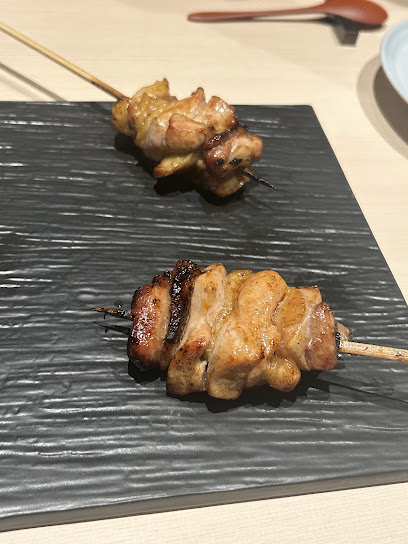
Chicago’s Japanese food scene concentrated in unexpected neighborhoods rather than forming a traditional Japantown. Kanela Booja in Pilsen serves ramen broths that shift seasonally—summer brings lighter shoyu bases, winter features heavier tonkotsu made from pork bones. Nearby, Oiistar offers yakitori (grilled chicken skewers) where different parts of the bird—gizzard, heart, skin—each get their own cooking time. Logan Square’s Japanese restaurants often operate as neighborhood spots rather than destination restaurants, which means locals eat there regularly, keeping standards honest. The absence of a Japantown actually benefits diners: restaurants don’t compete solely on tourism, so they focus on execution. A ramen shop will perfect one bowl rather than offering 15 variations. This approach reflects how Japanese cooking actually works—mastery through focus.
Chicago’s Asian neighborhoods reward the patient eater. Skip the Instagram-famous spots and eat where locals do: late-night Korean stews in basements, Vietnamese pho at 7 a.m., and Japanese ramen at lunch counters. The best meal you’ll have isn’t at a destination restaurant—it’s at a place that’s been perfecting one dish for twenty years, where nobody speaks English and the menu is handwritten. That’s where Chicago’s real Asian food lives.