Korean Spicy Dishes Ranked by Heat: Tteokbokki to Buldak
In Seoul, tteokbokki isn’t a special occasion dish—it’s what you grab from a pojangmacha (street stall) at midnight after work, or what your mum makes when you’re home sick. The real measure of a Korean person’s spice tolerance isn’t how much gochugaru they can handle in theory, but which version of these three dishes they actually order on a regular Tuesday. Heat levels matter here because they determine which meal fits which moment: quick street food, late-night drinking snack, or the kind of thing that demands you clear your schedule.
Tteokbokki: The Gateway Spice (Mild to Medium)
Tteokbokki sits at the bottom of the heat ladder, which is precisely why it’s everywhere. You’ll find it at every pojangmacha from Busan to Incheon, sold by vendors who’ve been working the same corner for fifteen years. The dish is chewy rice cakes in a gochujang-based sauce that’s more about umami than fire. Most vendors use a ratio of gochujang to gochugaru that leans toward sweetness—the sauce should coat your tongue, not sear it. Street-stall tteokbokki typically sits around 3,000-5,000 Scoville units. What makes it approachable is the texture contrast: soft, almost gelatinous rice cakes against the thick, clingy sauce. Locals eat this standing up, often with a toothpick, sometimes adding a fried egg or fishcake. The heat builds gradually rather than hitting immediately. This is what you order when you want spice without commitment, which explains why Korean kids eat it and why it’s the first dish someone trying Korean food should encounter.
Rabokki: The Hybrid Heat (Medium to Medium-High)
Rabokki is tteokbokki’s rowdier cousin—it’s rice cakes plus instant ramen noodles in the same gochujang sauce, and it’s genuinely what people make at home when they’re hungry and lazy. The noodles absorb the sauce differently than rice cakes do, creating pockets of concentrated heat. Rabokki typically registers around 6,000-8,000 Scoville units, depending on whether you’re ordering from a stall that caters to tourists or one where office workers queue at lunch. The dish requires more attention than tteokbokki because you’re managing two textures simultaneously—the noodles tangle and stick, so you’re constantly stirring. Most people add gochugaru on top before eating, which is the signal that you’re taking the heat seriously. In Gangnam or around university areas like Hongdae, vendors often compete on spice level, so rabokki there runs hotter than in residential neighborhoods. It’s the dish you order when you want real flavor development, not just a quick snack.
Buldak: The Serious Heat (Hot to Extremely Hot)
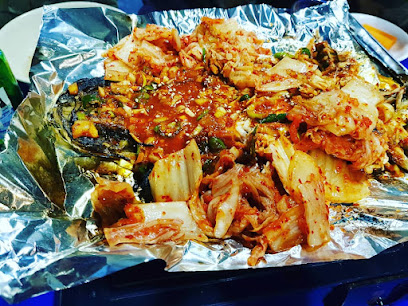
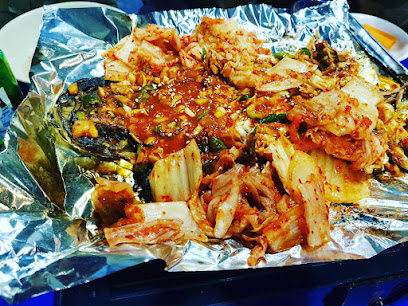
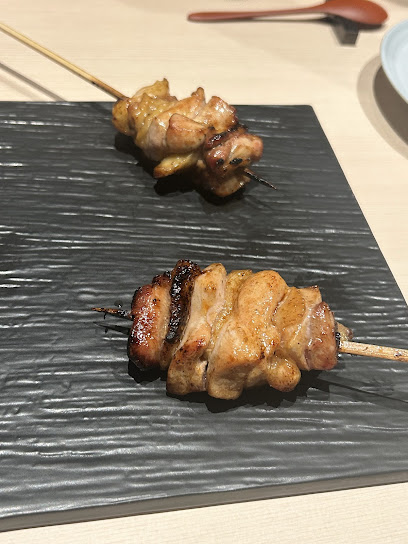
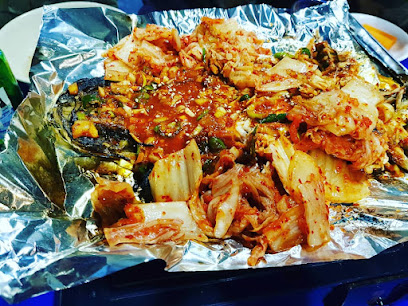
Buldak—grilled chicken marinated in gochugaru, gochujang, and garlic—is where casual spice tolerance ends. This is what Korean people order when they’re specifically looking for heat, not when they want a casual meal. The chicken is typically marinated for hours, sometimes overnight, so the heat penetrates the meat itself rather than sitting on the surface. Authentic buldak from a proper Korean BBQ restaurant runs 12,000-15,000 Scoville units or higher, depending on the restaurant’s reputation. The famous buldak restaurants in Seoul—places that have been doing this for decades—don’t advertise their heat level; regulars know what they’re getting. The dish comes sizzling on a hot plate, often with vegetables like perilla leaves and onion that you cook alongside the chicken. Locals eat buldak with soju, rice, and side dishes specifically chosen to cool the heat. This isn’t a solo act—you order it when you’re with people who understand what’s about to happen. The capsaicin hit is immediate and sustained, not the gradual build of tteokbokki.
If you’re genuinely interested in Korean spice culture, start with tteokbokki from a regular pojangmacha, move to rabokki once you understand the sauce, then attempt buldak only when you’ve built actual tolerance. Skip the tourist-marked restaurants entirely—find where Korean office workers are eating lunch, and order what they’re ordering.