Katsu Curry: Japan’s Beloved Dish Explained
Katsu curry is the dish that proves Japanese and British colonial food cultures created something neither nation could have made alone. A breaded, fried pork cutlet served over rice with a thick, mildly spiced curry sauce, it represents a specific moment in culinary history—and it has become Japan’s most reliable comfort food.
What makes katsu curry significant isn’t nostalgia or novelty. It’s that the dish occupies a precise middle ground between two cuisines, executed with Japanese precision and restraint. The curry isn’t an afterthought; it’s engineered to complement, not overwhelm, the katsu’s textural contrast. This balance is why the dish has sustained itself for over a century and why it now appears on menus from London to Sydney to Los Angeles.
The Curry Sauce Separates Good Katsu from Forgettable Katsu
Most people focus on the katsu itself—the quality of the pork, the panko coating, the oil temperature. Those matter. But the curry sauce is where katsu curry either succeeds or fails. A proper katsu curry sauce is thicker than Indian curry, closer to a gravy. It should coat the rice and cling to the cutlet without running across the plate. The flavor profile leans toward sweetness and umami, with mild spice. Turmeric, cumin, and coriander are present but muted, never aggressive.
The worst versions use thin, watery curry or, worse, curry that tastes like it came from a packet. The best versions—found at dedicated katsu-ya restaurants and high-end curry shops—are made fresh daily from whole spices and aromatics. Onions are cooked down until they dissolve into the sauce. Apple or honey adds sweetness. The result should taste nothing like Thai curry or Indian curry; it should taste specifically Japanese.
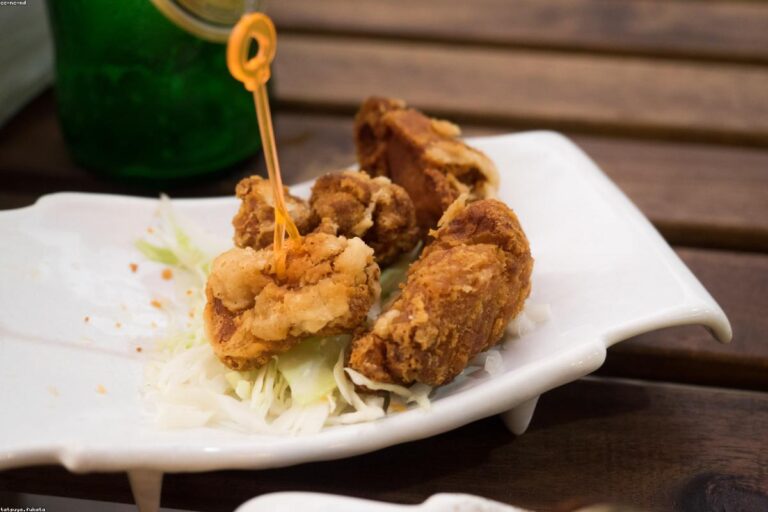
The katsu itself demands equal attention. Pork loin is standard, though some restaurants use chicken or beef. The meat should be pounded thin, seasoned simply with salt and pepper, then breaded with panko and fried until the exterior cracks audibly under your fork. The interior stays juicy. Overcooking ruins it immediately.
Where to Find Legitimate Katsu Curry in Japan and Beyond
In Tokyo, Ginza Bairin has been serving katsu since 1965 and remains the baseline for what the dish should be. Their pork cutlet is precisely executed, and the curry sauce tastes like it was made yesterday. Expect lines, especially at lunch. In Osaka, Kiji is the older reference point, operating since 1945. Both restaurants charge premium prices but deliver consistency that casual spots cannot match.
For something less touristy, head to any neighborhood katsu-ya in residential areas of Shibuya or Shinjuku. These spots charge half the price of Ginza establishments and often serve better curry because they move more volume and refresh their sauce daily. Ask locals for recommendations rather than relying on English-language review sites.
Outside Japan, quality katsu curry is harder to find but not impossible. In London, Katsu Soho and Tonkotsu locations serve versions that respect the original formula without pretending to be something they’re not. In Sydney, Katsute in Surry Hills executes it properly. In New York, Katsu Hama does the basics correctly. These aren’t revelations, but they’re reliable.
The Honest Truth: Katsu Curry Is Comfort Food, Not Refinement
Katsu curry is not haute cuisine. It’s not meant to impress critics or challenge palates. It exists to satisfy hunger and provide consistent pleasure at an affordable price. This is its actual strength, not a limitation. The dish thrives in casual settings—school cafeterias, office lunch spots, family restaurants—because it works at scale without losing quality.
Japanese home cooks make katsu curry regularly using curry roux blocks from the supermarket. These blocks produce competent results, which is precisely the point. The dish was designed to be accessible and reproducible. Restaurants that act precious about katsu curry, charging excessive prices or adding unnecessary garnishes, misunderstand what the dish is.
The best version you’ll eat might not be at a famous restaurant. It might be at a small katsu-ya in a Tokyo side street where the owner has been making the same sauce for thirty years and charges 1,200 yen for the entire meal.
Find a katsu-ya near you—whether that’s Tokyo or Toronto—order the pork katsu curry set, and eat it immediately. The sauce will be warm, the cutlet will be crisp, and nothing else will matter for the next ten minutes.