Dim Sum vs Tapas: Small Plates Philosophy Compared
On a Sunday morning in Guangzhou, my grandmother doesn’t think about “small plates” as a concept—she’s simply going for yum cha, the way she has for sixty years. In Madrid, my Spanish colleague doesn’t frame her evening around tapas as a trend; it’s how she eats after work, standing at a bar counter with a glass of wine. These aren’t dining philosophies exported for Western consumption. They’re the everyday eating patterns that shape how people in these regions actually live.
The Social Architecture: When and Why You Eat
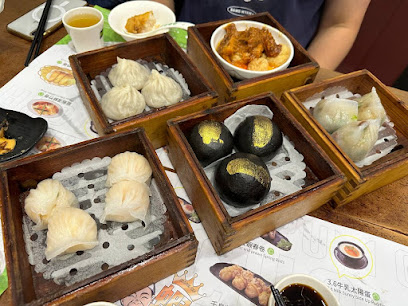
Dim sum exists within a specific temporal and social structure that defines Cantonese life. Yum cha happens on weekend mornings, typically between 10 AM and 2 PM, and it’s fundamentally a family affair. You arrive at a restaurant like Lian Xiang Lou in Guangzhou or City Chinatown in Hong Kong, and you sit for two to three hours. The trolleys come around—steamed har gow, siu mai, cheung fun—and you point at what you want. The meal isn’t rushed. Children are present. Grandparents make decisions. It’s a weekly anchor point, not an occasional experience.
Tapas, by contrast, is an evening activity embedded into Spain’s social rhythm around work and leisure. You finish your day and head to a bar in Barcelona or Seville around 7 or 8 PM. You stand, not sit. You order a few plates—jamón ibérico, croquetas, patatas bravas—have a drink, chat with friends or colleagues, then either move to another bar or head to dinner later. It’s a transition moment, a social buffer between work and home. The duration is flexible. You might stay thirty minutes or two hours.
The Ingredient Philosophy: Technique Versus Simplicity
Dim sum demands technical precision. A proper har gow wrapper is made fresh, folded into a specific shape, and steamed to exact specifications. The shrimp inside must be textured correctly—not mushy, not tough. At a proper dim sum restaurant, chefs spend years learning to make siu mai, those open-topped pork and shrimp dumplings. The filling ratios matter. The wrapping technique matters. Every plate represents accumulated skill. You’re eating the result of someone’s decade-long apprenticeship in a single bite.
Tapas operates on a different principle: exceptional ingredients with minimal intervention. Jamón ibérico from black pigs in Extremadura needs no cooking—just slicing. Pan con tomate is bread, tomato, and olive oil. Boquerones en vinagre are anchovies cured in vinegar and garlic. The skill isn’t in elaborate preparation; it’s in sourcing the right thing and knowing when to stop. A croqueta might be more involved, but even that’s about getting the béchamel and the frying temperature right, not about intricate folding or shaping.
The Ordering Logic: Predetermined versus Spontaneous
At dim sum, you respond to what arrives. The trolleys dictate your choices, though regulars know what time certain items come around. You develop a rhythm: three har gow, two siu mai, one order of cheung fun. You know roughly what you’ll spend and what you’ll eat. There’s comfort in this predictability. If you’re at a fancier dim sum restaurant in Hong Kong, you might order from a menu, but even then, you’re selecting from a known canon of dishes that haven’t changed much in decades.
Tapas encourages wandering discovery. You look at what’s available at the bar, ask the bartender what’s fresh today, and make decisions based on appetite and mood. You might order jamón one night and chorizo the next. You see what other people are eating and change your mind. There’s no predetermined path. This spontaneity is central to how Spanish people experience tapas—it’s reactive, not scripted.
If you want to understand how people actually eat in these places, stop thinking about small plates as a unified concept. Dim sum is about ritual and skill. Tapas is about flexibility and quality ingredients. One is a scheduled family event; the other is an improvised social moment. Both are genuinely worth experiencing, but only if you show up at the right time, with the right expectations, and without treating either one as a box to check.