Kyoto Food Guide: Nishiki Market & Kaiseki Dining
I’ll never forget watching an elderly fishmonger at Nishiki Market fillet a mackerel with three precise knife strokes, then hand me a paper cone filled with the freshest sashimi I’d ever tasted. That’s when I understood: Kyoto’s food culture isn’t about complexity for its own sake. It’s about respect for ingredients and knowing exactly when to stop fussing with them.
Kyoto approaches eating differently than Tokyo or Osaka. This former imperial capital treats food as an extension of Zen philosophy—every element has purpose, nothing is wasted, and restraint is considered sophisticated. After spending time cooking with locals here, I’ve learned that understanding Kyoto’s food means understanding three things: where locals actually shop, how kaiseki kitchens think, and why simplicity requires the most skill.
Nishiki Market: Where Kyoto Cooks Actually Shop
Nishiki Market stretches five blocks through central Kyoto, and it’s nothing like the tourist version you might imagine. Yes, it’s crowded, but walk past the pickle stalls and souvenir stands and you’ll find the real Kyoto. This is where restaurant chefs source ingredients daily, and where home cooks have shopped for over four centuries.
Start at the fish section—vendors here specialize in specific catches. Ask for seasonal recommendations rather than ordering by name. When I visited in spring, the monger steered me toward fresh bamboo shoots and spring-caught sea bream instead of winter’s heavier fish. The vegetable vendors know their growers personally. You’ll find Japanese eggplant varieties that don’t exist elsewhere, mountain vegetables (sansai) that appear for two-week windows, and daikon radishes bred specifically for pickling.
The real education happens when you buy something and ask how to prepare it. Vendors will explain cooking methods, doneness levels, and pairing suggestions. Bring a small notebook. I filled three pages just learning about different tofu types and when each one is appropriate. The market teaches you that Kyoto cooking is seasonal first, creative second.
Kaiseki: Understanding the Philosophy Behind the Plates
Kaiseki intimidates Western diners because it looks complicated. It’s actually the opposite. Kaiseki kitchens follow strict principles: use seasonal ingredients at peak ripeness, prepare each item simply to highlight its natural qualities, balance textures and temperatures across multiple courses, and plate thoughtfully but without unnecessary decoration.
A proper kaiseki meal includes soup, grilled items, steamed dishes, raw preparations, and pickled vegetables—usually eight to twelve courses total. The sequence matters. Cold dishes arrive before hot ones. Delicate flavors precede stronger ones. You’re not meant to feel full; you’re meant to experience ingredient quality across different preparations.
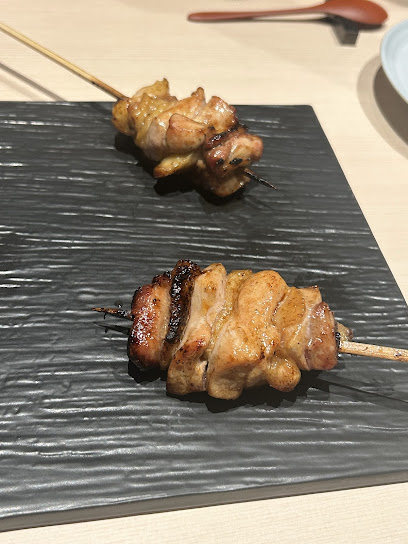
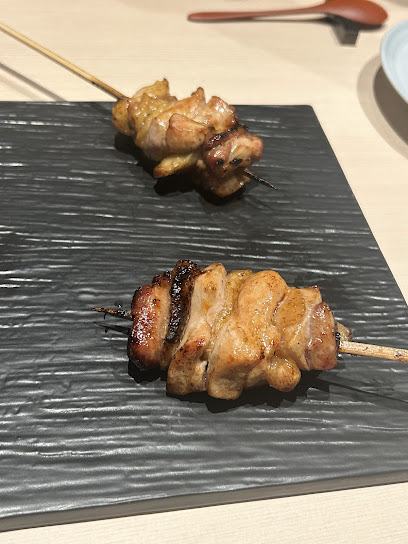
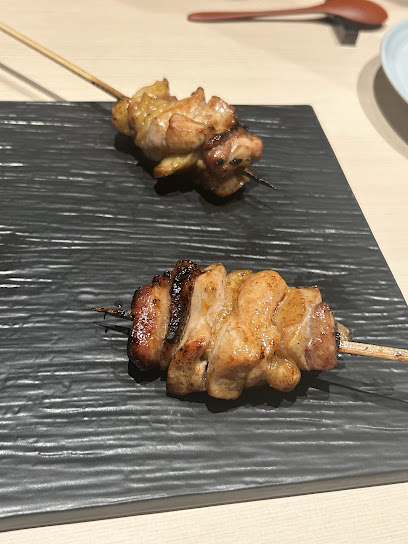
Restaurants like Gion Tanto and Kikunoi (three Michelin stars) welcome curious diners willing to sit at the counter. Watch the chef work. You’ll notice they spend more time on knife work and timing than on sauces or garnishes. A perfect piece of grilled fish needs nothing but salt and perhaps a squeeze of yuzu. The skill is knowing when the fish is exactly right, not disguising mediocre ingredients.
Where to Eat: Beyond the Famous Names
Skip the tourist kaiseki chains and instead visit neighborhood restaurants in Gion or Higashiyama. Ask your hotel staff or market vendors for current recommendations—places change, and locals know what’s good right now. Lunch sets cost half the price of dinner and let you experience the same kitchen philosophy without the formal ceremony.
For casual eating, try yudofu (hot pot with tofu) in the Nanzenji temple area, or okonomiyaki (savory pancakes) at standing counters near the market. These aren’t fancy, but they show how Kyoto cooks approach everyday food: quality ingredients, proper technique, no pretense.
My practical advice: spend a morning at Nishiki Market buying a few items that appeal to you, then find a small restaurant for lunch. Order something you’ve never had. Ask questions. Kyoto’s food culture rewards curiosity and patience over guidebook checking.