Tokyo
Tokyo Bangkok
 Seoul
Seoul Singapore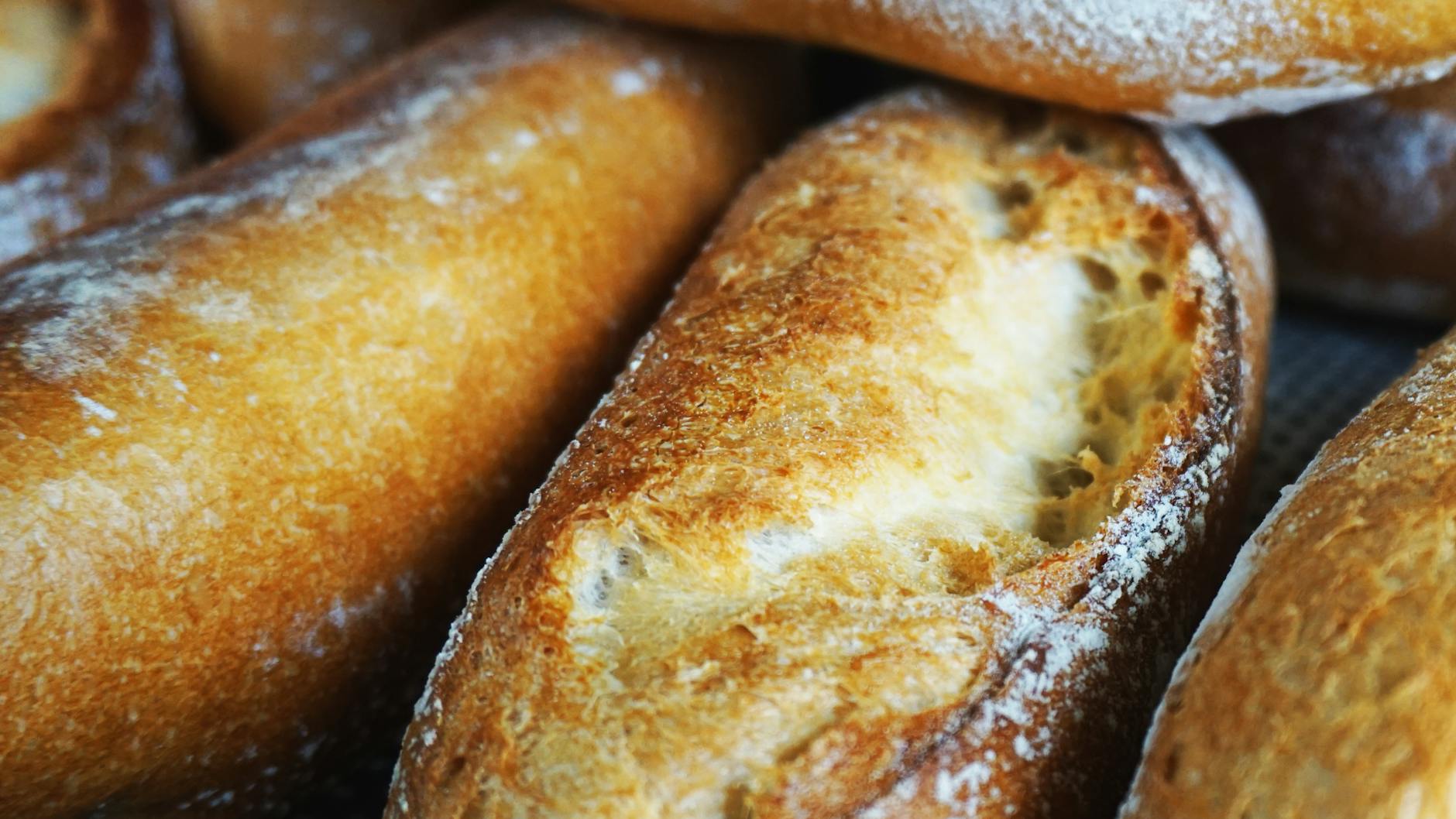
Banh Mi vs Cuban Sandwich: The French Bread Showdown

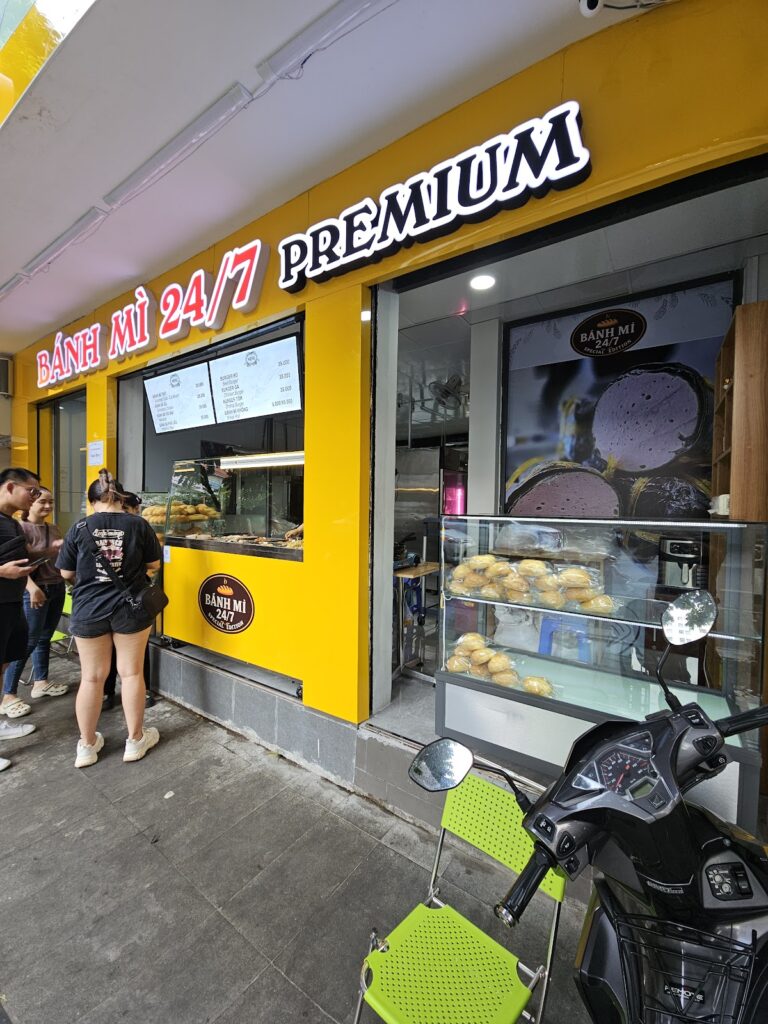
At a Hanoi street corner near Hoan Kiem Lake, the scent grabs you first—crackling bread, tangy pickled vegetables, fresh cilantro with a punch. A vendor hands over a banh mi wrapped in newspaper. Meanwhile, in Havana’s La Habana Vieja, steam rises from a pressed Cuban sandwich, golden bread glistening with pork fat. Both trace back to French colonialism. Both use baguettes. But that’s where the similarities end.
The Bread Question: Why French Baguettes Matter Here
Most food writing skips this: the bread isn’t just a holder. In Saigon, banh mi bakers proof their baguettes for hours, achieving a crust that shatters and an interior like air. Vietnamese bakers tweaked the French recipe—shorter fermentation, adjusted hydration—for the local climate. The result? Lighter, crispier, more delicate. Cuban sandwiches use pan de agua, a denser, stubbier baguette built to withstand pressing and layers of meat. Bite into one, and the bread yields, releasing oils. Banh mi stays crisp even drenched in nuoc cham. Watch District 1 vendors toast their bread lightly before assembling; Miami’s Little Havana bakeries rarely bother. That’s clue number one.
Fillings Tell Two Completely Different Stories
Banh mi is all about balance. Pâté, cold cuts, pickled daikon and carrots, cilantro, chilies, cucumber—each element cold, distinct, playing off the others. The pâté adds richness, the pickles crunch, the herbs brightness. It’s a sandwich of contrasts. In Ho Chi Minh City, one vendor grilled pork for hours over charcoal, slicing it thin—smoky, charred, tender. Cuban sandwiches go the opposite route. Ham, roast pork, Swiss cheese, pickles merge under heat. The cheese melts. The meats warm. The pickles blend in. No fresh herbs, just occasional oregano. Unity, not contrast.
The Technique and Experience Differ Fundamentally
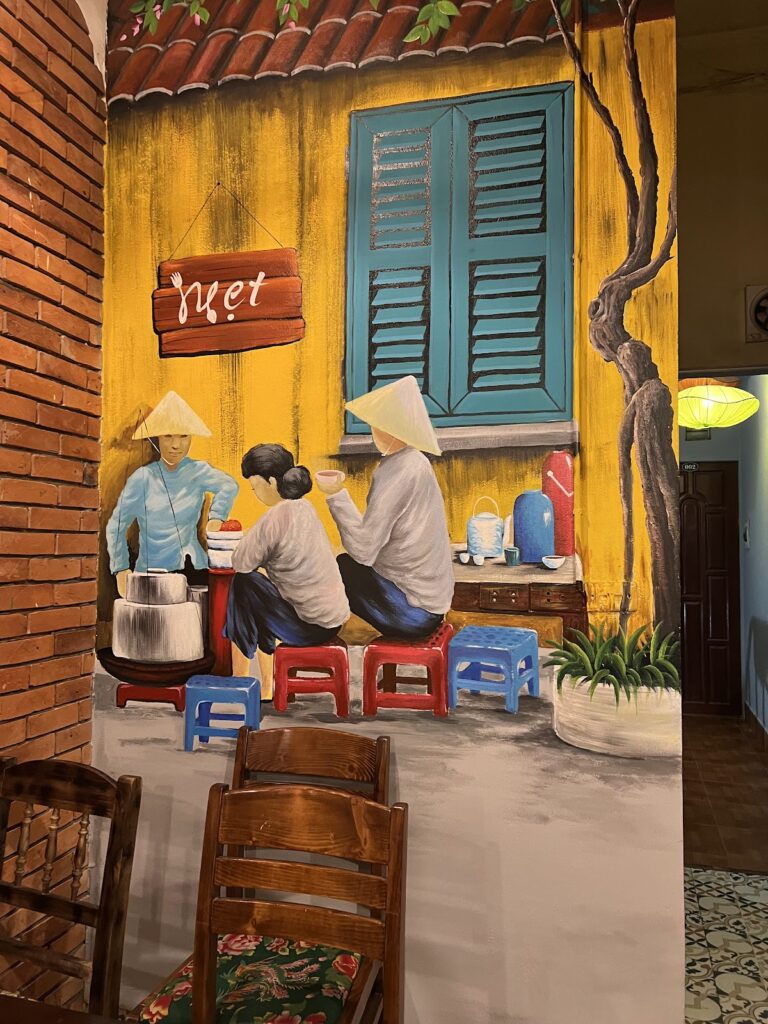
Making a banh mi is performance art. The vendor spreads pâté, stacks ingredients, drizzles sauce—five minutes of precision. You eat it standing, at a plastic stool, while the bread’s still warm. A Cuban sandwich assembles fast, but the real work happens on the plancha. The press flattens it, heat fuses the layers, the bread turns gold and crisp outside, soft within. You unwrap it hot, watching the flavors meld. Banh mi at 6 a.m. in a Hanoi alley, surrounded by locals. Cuban sandwiches at noon in Miami, sitting down. Both perfect. Both shaped by place.
Choosing between them? Start with the bread. Crisp and separate, or soft and merged? The answer’s obvious.