Tokyo
Tokyo Bangkok
 Seoul
Seoul Singapore
Singapore Food Guide: Where to Eat, What to Try & Everything Travelers Need
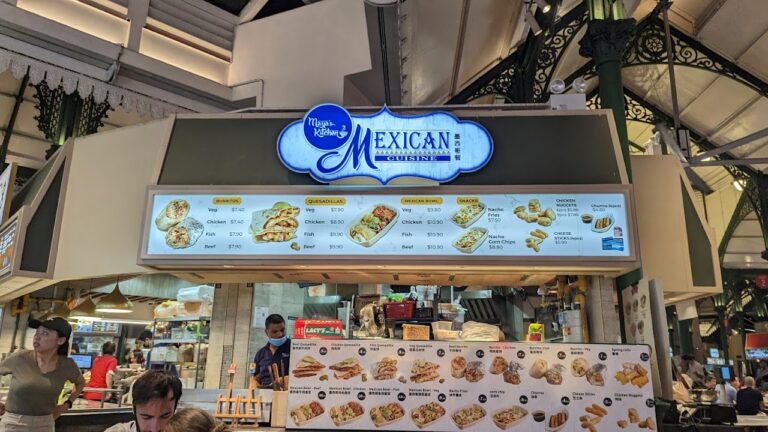
Singapore is a culinary paradise offering a vibrant mix of flavors from its multicultural heritage. From street hawker stalls to upscale restaurants, there’s something for every palate. Top tip: Don’t miss the hawker centers; they provide authentic local dishes at unbeatable prices!
Lau Pa Sat
🔥 Popular / ViralBest Time to Visit for Food Lovers
Singapore’s tropical climate means warm weather year-round, but food lovers should consider timing their visit around the local food festivals and culinary events. The best months to indulge in Singapore’s food scene are from June to August, when the Great Singapore Sale coincides with the Singapore Food Festival. This annual event showcases a plethora of local dishes, pop-up restaurants, and food workshops, making it an ideal time to explore the city’s culinary landscape. Additionally, the cooler months from December to February offer comfortable weather for exploring outdoor hawker centers, although the persistent humidity can still be felt.
Getting Around & Reaching the Food Areas
Singapore boasts an efficient public transport system, making it easy to reach various food hotspots. The Mass Rapid Transit (MRT) is clean, safe, and connects you to key neighborhoods like Chinatown, Little India, and Orchard Road, where you can find some of the best eateries. Buses are also widely available and serve more localized areas. For those who prefer convenience, ride-hailing apps like Grab can quickly take you to your desired food destination. Popular food areas include Lau Pa Sat in the Central Business District and Maxwell Food Centre in Chinatown, both easily accessible via MRT.
Where & What to Eat
Singapore’s food scene is primarily centered around hawker centers, food courts, and fine dining establishments. Hawker centers are a must-visit for authentic local dishes at affordable prices. Must-try dishes include Hainanese Chicken Rice, Char Kway Teow (stir-fried noodles), Laksa (spicy noodle soup), and Satay (grilled skewered meat). Each neighborhood has its specialty, so explore Little India for delicious biryani and Chinatown for dim sum.
| Rank | Place | Rating | Reviews |
|---|---|---|---|
| 1 | Lau Pa Sat$$ · 🕐 Open 24 hours · 🥬 veg · 🥡 takeout | 4.4★ | 38310 reviews |
| 2 | Maxwell Food Centre$ · 🕐 8:00 AM – 10:00 PM · 🥬 veg · 🥡 takeout | 4.4★ | 23382 reviews |
| 3 | Changi Village Hawker Centre$ · 🕐 6:00 AM – 2:00 AM · 🥬 veg · 🥡 takeout | 4.3★ | 13981 reviews |
| 4 | Golden Mile Food Centre$ · 🕐 8:00 AM – 8:00 PM · 🥬 veg · 🥡 takeout | 4.3★ | 7449 reviews |
| 5 | Hong Lim Market & Food Centre$ · 🕐 6:00 AM – 8:00 PM · 🥬 veg · 🥡 takeout | 4.3★ | 6612 reviews |
| 6 | Zion Riverside Food Centre$ · 🕐 8:00 AM – 10:00 PM · 🥡 takeout | 4.2★ | 3984 reviews |
Ratings are verified via Google Maps, and travelers can open each name in Google Maps to navigate and visit.
Dietary: Halal, Vegetarian & Vegan
Singapore is a melting pot of cultures, which is reflected in its diverse dietary options. Halal food is widely available, especially in areas with a significant Muslim population, such as Geylang and Kampong Glam. However, travelers should be cautious of dishes containing fish or oyster sauce, which are not halal. For vegetarian and vegan options, many hawker stalls offer meat-free dishes like Vegetable Roti Prata and Mixed Vegetable Rice. Little India is a fantastic area for vegetarian cuisine, featuring restaurants that serve traditional Indian dishes. Always ask about ingredients when unsure, and look for “vegetarian” or “vegan” labels in menus.
Food Etiquette
Dining in Singapore is generally casual, but it’s good to be aware of local customs. When eating at hawker centers, you’ll often share tables with strangers, which is perfectly acceptable. It’s polite to greet fellow diners with a nod or a smile. When dining, use chopsticks primarily for noodles, while utensils like forks and spoons are common for rice dishes. Tipping is not customary in Singapore due to a service charge included in the bill, but rounding up the total is appreciated. Always ask for permission before taking food from communal dishes.
Street Food Safety
Singapore is known for its clean and safe food stalls, but it’s essential to choose wisely. Look for stalls that have a high turnover of customers; fresh food is more likely to be served. Always check for cleanliness around the cooking area and ensure that the food is cooked thoroughly. Avoid stalls that appear to have been sitting idle for a while or those with questionable hygiene practices, such as dirty utensils or unkempt staff. If in doubt, ask locals for recommendations; they often know the best and safest places to eat.
Food Budget
Singapore offers a wide range of dining options to suit any budget. For budget travelers, a daily food cost can range from $10 to $20 (approximately SGD 14 to SGD 28) if sticking to hawker centers and local eateries. Mid-range dining typically costs between $30 and $60 (SGD 42 to SGD 84) per person for a meal at a nice restaurant or a specialty dish at a food court. For a splurge, high-end dining can start from $100 (SGD 140) and go up significantly, especially at Michelin-starred establishments. Always check menus in advance to avoid unexpected costs.
Useful Food Phrases
- “Kedai Makanan” – Food stall
- “Halal” – Permissible food for Muslims
- “Vegetarian” – No meat
- “Sambal” – Spicy chili paste
- “Makan” – To eat
- “Sedap” – Delicious
- “Boleh tolong?” – Can you help?
- “Berapa harganya?” – How much is this?
FAQ
1. Is tap water safe to drink in Singapore?
Yes, tap water is safe to drink throughout Singapore, and you can refill your water bottles at public fountains.
2. Are there any unique Singaporean desserts I should try?
Definitely! Don’t miss out on trying Chendol (a sweet dessert with coconut milk, pandan jelly, and palm sugar) and Kueh (traditional bite-sized snacks).
3. Can I find international cuisine in Singapore?
Absolutely! Singapore is home to a variety of international restaurants offering cuisines from Indian, Chinese, Malay, Italian, and more.
4. Do I need to make reservations for popular restaurants?
For popular dining spots, especially during peak hours or weekends, it’s advisable to make reservations to avoid long wait times.
For visa and health information, always check official sources / your embassy.