Tokyo
Tokyo Bangkok
 Seoul
Seoul Singapore
Thai Sai Krok Isan Recipe: Make Street Vendor Sausage at Home
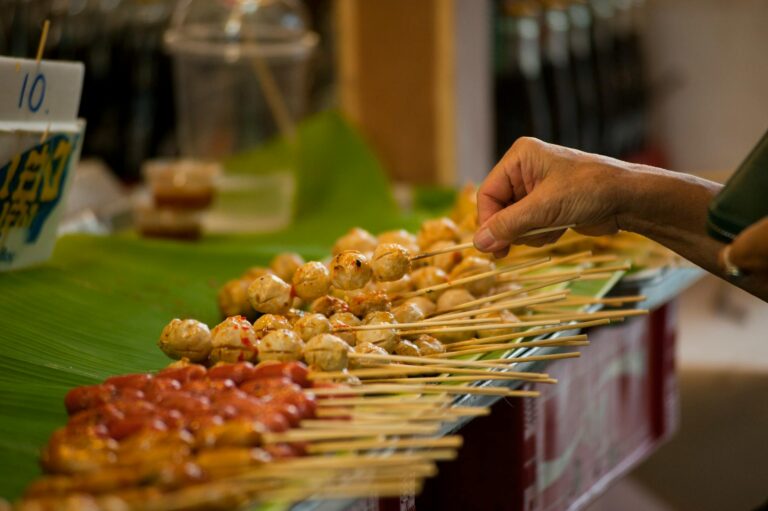
Thai sausage seems like it should be from Thailand. But the story’s more interesting. Sai Krok Isan—that tangy, addictive pork sausage from northeast Thailand—owes its existence to French colonizers. They brought their sausage-making techniques to Indochina in the 1800s. Locals in Isan took those methods, tossed out the European spices, and added chilies, fish sauce, and sticky rice instead. What emerged was uniquely Thai. Today you’ll find it sizzling on street carts across Khon Kaen and Udon Thani, always served with sticky rice and that killer dipping sauce.
The Four-Part Flavor Architecture That Makes It Work
Sai Krok Isan isn’t just tasty—it’s science. Street vendors nail four key elements every time. First, pork delivers rich umami. Then fish sauce and salt kickstart fermentation (that 2-3 day wait isn’t optional). Lime juice or vinegar cuts through the fat. Chilies bring the heat. Sugar balances everything. Get these ratios wrong and you’ll know immediately.
Here’s the street vendor secret: 2-3% salt by weight. Less than that risks spoilage. More turns it into jerky. Sweetness should stay under 5% unless you want dessert sausage. Chili levels vary—Nakhon Ratchasima keeps it mild, while near the Mekong in Mukdahan, they’ll blow your head off.
Making It at Home: The Fermentation Process Matters More Than Equipment
No fancy gear needed. Some Isan vendors still use banana leaves instead of casings. What you do need: 500g ground pork (shoulder works), 15g fish sauce, 10g salt, 8g palm sugar, 4-5 soaked dried chilies, 3 garlic cloves, and 1 tbsp sticky rice powder. The rice powder isn’t just filler—it helps fermentation.
Mix it all thoroughly. Stuff casings loosely or wrap in leaves. Now the waiting game: leave it at 25-28°C for 2-3 days. It’ll develop a funky smell—that’s good. In cooler places like London, give it 4-5 days. The result? Sausage with depth you can’t get from fresh meat alone.
Grilling and Serving Like You Mean It
Charcoal grilling isn’t just tradition—it’s chemistry. The high heat chars the outside while keeping the fermented interior juicy. No charcoal? A scorching cast-iron pan will do. Grill for 8-10 minutes until properly blistered.
Serve it hot with sticky rice, crunchy veggies, and nam jim sauce. That’s when the magic happens. The salty-sour-spicy-sweet combo makes each bite different from the last. It’s not just food—it’s an experience.
Making sai krok at home isn’t about saving cash. It’s about understanding why this humble street food has endured. Fermentation turns basic pork into something complex and unforgettable. One taste and you’ll get it.