Tokyo
Tokyo Bangkok
 Seoul
Seoul Singapore
Karaage vs Yangnyeom: Which Fried Chicken Reigns Supreme
Korean yangnyom chicken will wreck your idea of what fried chicken should taste like—in the best way possible. Japanese karaage has been popping up everywhere with its light, crispy approach, but yangnyom plays by different rules: messy, spicy, loaded with garlic, completely unafraid to make a statement. These aren’t just two styles of fried chicken. They’re entirely different experiences.
The Technique Divide: Light Soy Marinade vs Double-Fry Drama
Karaage starts simple—chicken soaks in a soy sauce, mirin, and sake marinade, sometimes for hours. A quick dusting of potato starch and flour, then one fry at medium heat. Done. Places like Torikizoku in Japan have this down to a science: golden, even crispness every time.
Yangnyom takes more work. Fry the chicken once, then set it aside. The real action happens in a wok where gochujang, garlic, and sugar transform into a thick, shiny sauce. Toss the chicken back in until every inch is covered. Some spots double-fry for extra crunch before saucing—that’s how chains like Bonchon get that addictive crackle.
Flavor Architecture: Umami Whisper vs Spice Assault
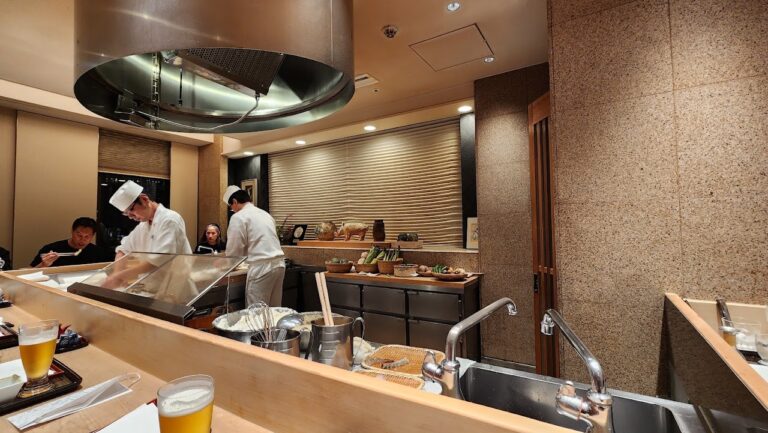
Karaage keeps it subtle. The marinade adds depth without overpowering the chicken itself. A squeeze of lemon or dab of mustard might join in, but the bird stays the star. It’s the kind of food that works perfectly with a cold beer in a Tokyo pub—simple, satisfying, no fuss.
Yangnyom goes big. The chili paste builds heat slowly, while the sticky sauce makes sure every bite packs flavor. Extra toppings like sesame seeds or fried garlic add crunch. This is food meant for sharing, for late nights with friends when getting sauce everywhere is half the fun.
The Practical Question: When to Choose Each
Eating solo or want something clean and straightforward? Karaage’s your move. It’s chicken at its most pure—places like Torihei prove you don’t need anything else.
If you’re with friends or craving something bold, go yangnyom. It’s messy, loud, and completely unapologetic. Chains like Nene Chicken nail that perfect combo of crispy coating and spicy-sweet sauce that keeps you reaching for more.
Truth is, you need both. Karaage when you want something refined, yangnyom when you want to dive in headfirst. Try them back-to-back and you’ll see—fried chicken has more range than you ever imagined.