Tokyo
Tokyo Bangkok
 Seoul
Seoul Singapore
12 Indian Street Snacks Ranked by Addictiveness

If you’ve seen someone inhale pani puri at midnight on a weekday, you get it—this isn’t just food. It’s the fuel for missed deadlines, family feuds, and every “five more minutes” at the office. Street chaat isn’t a pit stop between sightseeing. It’s the reason cities keep moving through monsoons, heatwaves, and that 3 PM slump when even chai can’t help.
The Top Tier: The Ones You Can’t Stop At One Plate
Pani puri wins because it’s built for bingeing. That first crunch of the shell, the flood of tamarind water—your brain checks out. Delhi’s Chandni Chowk vendors prep 20 kilos of filling before lunch because office crowds will demolish it by dusk. The magic? Ice-cold mint water meets steaming potatoes, all wrapped in a shell that shatters like glass. Bhel puri ties for first because it’s too easy to eat. One handful of puffed rice leads to another, then suddenly you’re licking chutney off the paper cone. Mumbai stalls double the tamarind because regulars will beg for it anyway.
Samosa takes third by pure inevitability. Nobody buys one. The flaky crust gives way to spiced peas, and suddenly you’re handing cash for six more “to take home.” Bangalore’s political district samosas vanish by teatime—government workers swipe them by the bagful.
The Middle Contenders: Seriously Dangerous But Requires Commitment
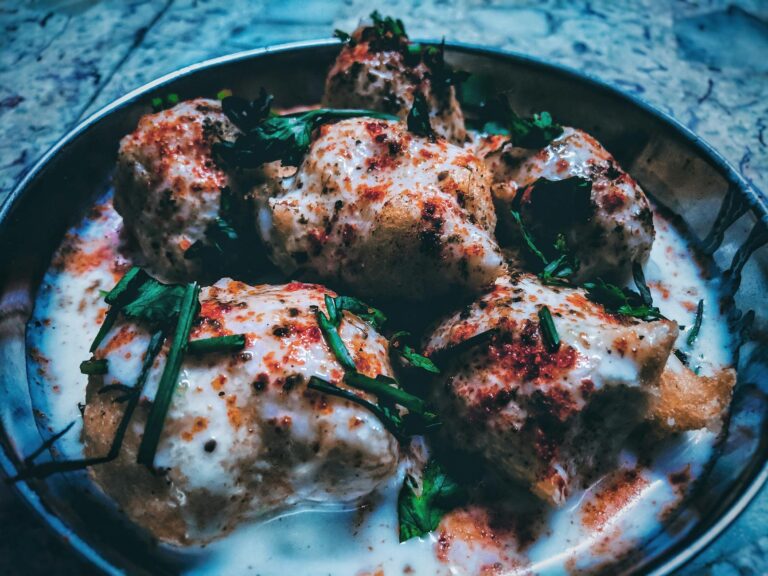
Aloo tikki chaat is a meal pretending to be a snack. Old Delhi vendors stack potato patties with chickpeas, yogurt, and enough chutney to drown regrets. You swear you’ll share. You won’t. Dahi bhalle tricks you in summer—cool yogurt and sweet chutney make it feel light, so you rationalize a second plate. The lentils disagree.
Sev tameta is the 3 AM lifeline for every sleep-deprived student. Cheap, crunchy, and just heavy enough to count as “dinner.” Pav bhaji belongs here too—buttered bread soaks up spicy mash so fast, you’re ordering round two before swallowing. Mumbai offices treat it as Friday lunch. Their productivity plummets. No one cares.
The Sleeper Hits: Deceptively Addictive
Chikhalwali looks boring until you bite in. Crisp outside, spongy inside—next thing you know, the bag’s empty. Momos (adopted as India’s own) have that dumpling black magic. One plate? Impossible. Delhi’s Majnu Ka Tila stalls stay packed because everyone “just wants one more.”
Gol gappa shells alone seem pointless, yet some folks crush bowls of them. Masala puri delivers crunch and heat in every bite. Kachumber salad with chaat masala feels virtuous until you realize you ate four servings. Ragda pattice appears like monsoon mirage in Mumbai—gone before the rain stops.
Your personal ranking depends on what weakness you’re feeding. But if you want the real deal? Start with pani puri. Stopping at two plates is a myth. Get extra chutney. You’ll thank me later.