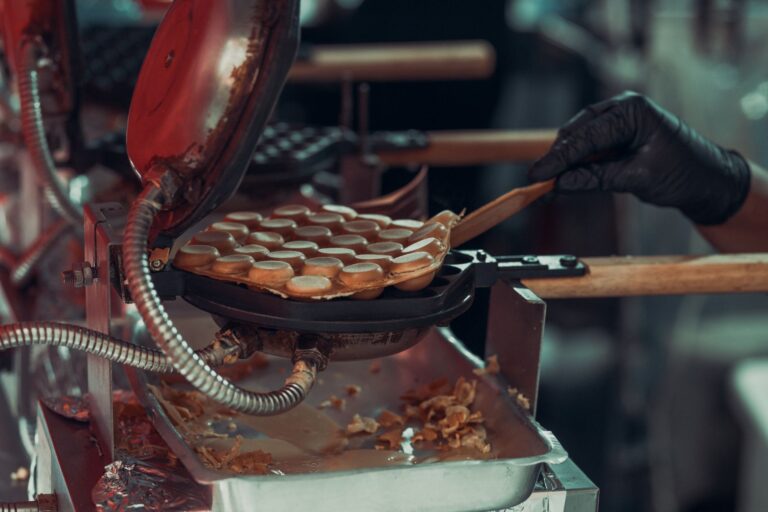
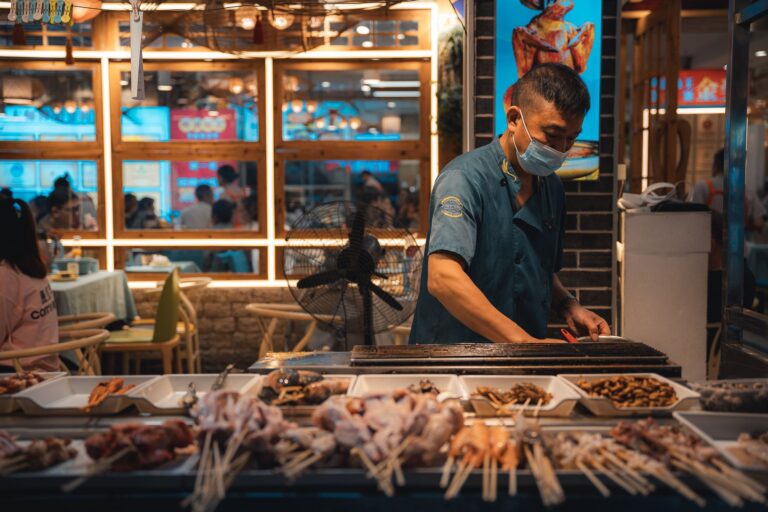
Tokyo
Tokyo Bangkok
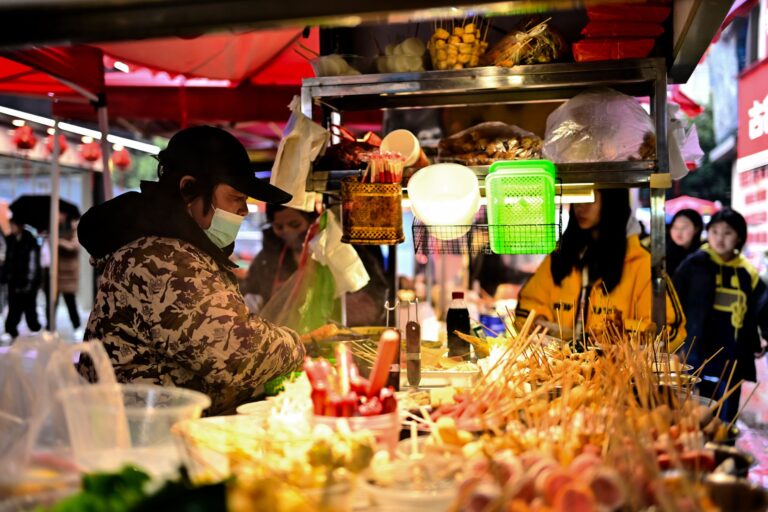
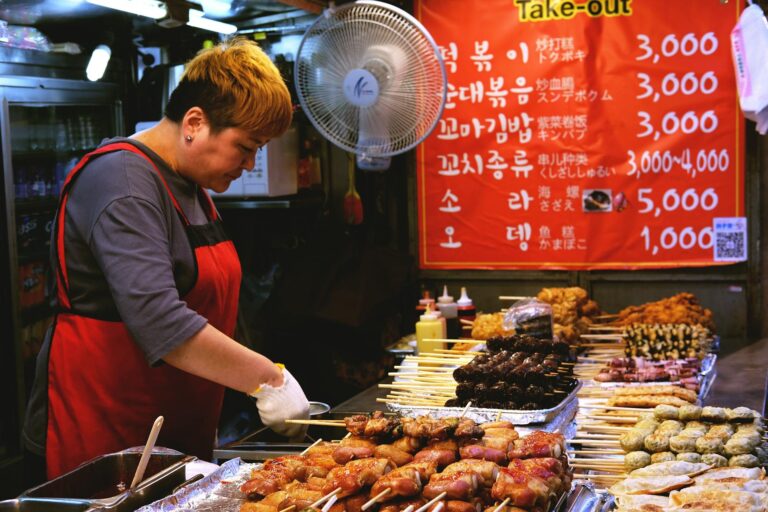
 Seoul
Seoul Singapore
Sichuan Boiled Fish: Master This Chinese Kitchen Essential

Back in the 1980s, Sichuan’s street vendors had a problem to solve: how to feed factory workers cheaply without skimping on flavor. Their answer? Fish swimming in chili oil. What began as a quick lunch for laborers soon climbed its way up to restaurant menus across China. Yu shang (鱼香) isn’t some ancient relic—it’s proof that great food often starts with necessity. No wonder every Chinese kitchen still makes it today.
Don’t let the name fool you. Sichuan boiled fish isn’t about dunking fish in water. It’s about bathing thin fillets in a fiery oil packed with chilies, Sichuan peppercorns, and fermented bean paste. The magic happens when that oil coats the fish just right—tingly, spicy, but not brutal. Getting there takes precision. Too hot, and the fish turns tough. Too lukewarm, and it’s raw in the middle.
How Regional Variations Changed the Dish
Sichuan invented it, but everyone else put their spin on it. Chongqing goes hard on the chilies and peppercorns—their version kicks like a mule. Yunnan keeps it light with local river fish and less oil. Hunan tosses in preserved veggies for extra funk. Then there’s Chengdu, where white pepper sometimes replaces Sichuan peppercorns, dialing back the numbness. Restaurants tweaked it to stand out; home cooks mostly stuck to the classic. The dish’s adaptability is why it stuck around.
The Critical Technique That Separates Good from Great
It all comes down to the oil. Most beginners crank the heat too high and burn the chilies before they can work their magic. Here’s the trick: let the oil hit 300°F (150°C), then add your aromatics. Listen for a quiet sizzle, not a fireworks show. Three to four minutes later, your kitchen should smell like a Sichuan alleyway—that’s how you know it’s working.
Fish choice matters too. Grass carp is the OG, but sea bass or halibut do the job if that’s what you’ve got. Slice it thin—quarter-inch pieces cook through in 90 seconds flat. And don’t rely on carryover cooking here. The fish needs to be fully done before it leaves the oil, or you’ll regret it.
Why Chinese Kitchens Never Stop Making This Dish
Yu shang checks all the boxes. Fast? Fifteen minutes start to finish. Flexible? Use whatever fish looks good at the market. The numbing-spicy combo isn’t just tasty—it’s practically medicinal in Chinese food culture. Need to feed a crowd? Scale it up without breaking a sweat.
At its core, this dish is a masterclass in doing more with less. No fancy gadgets, no laundry list of ingredients. Just fish, heat, and a handful of pantry staples. That’s why it’s passed down through generations, why it’s on menus worldwide, and why nailing the technique opens doors to a whole world of cooking. Start with real Sichuan peppercorns. Use a thermometer. Try sea bass first if you’re nervous. Once you’ve got the basics, make it your own. After all, that’s how yu shang got here in the first place.