Tokyo
Tokyo Bangkok
 Seoul
Seoul Singapore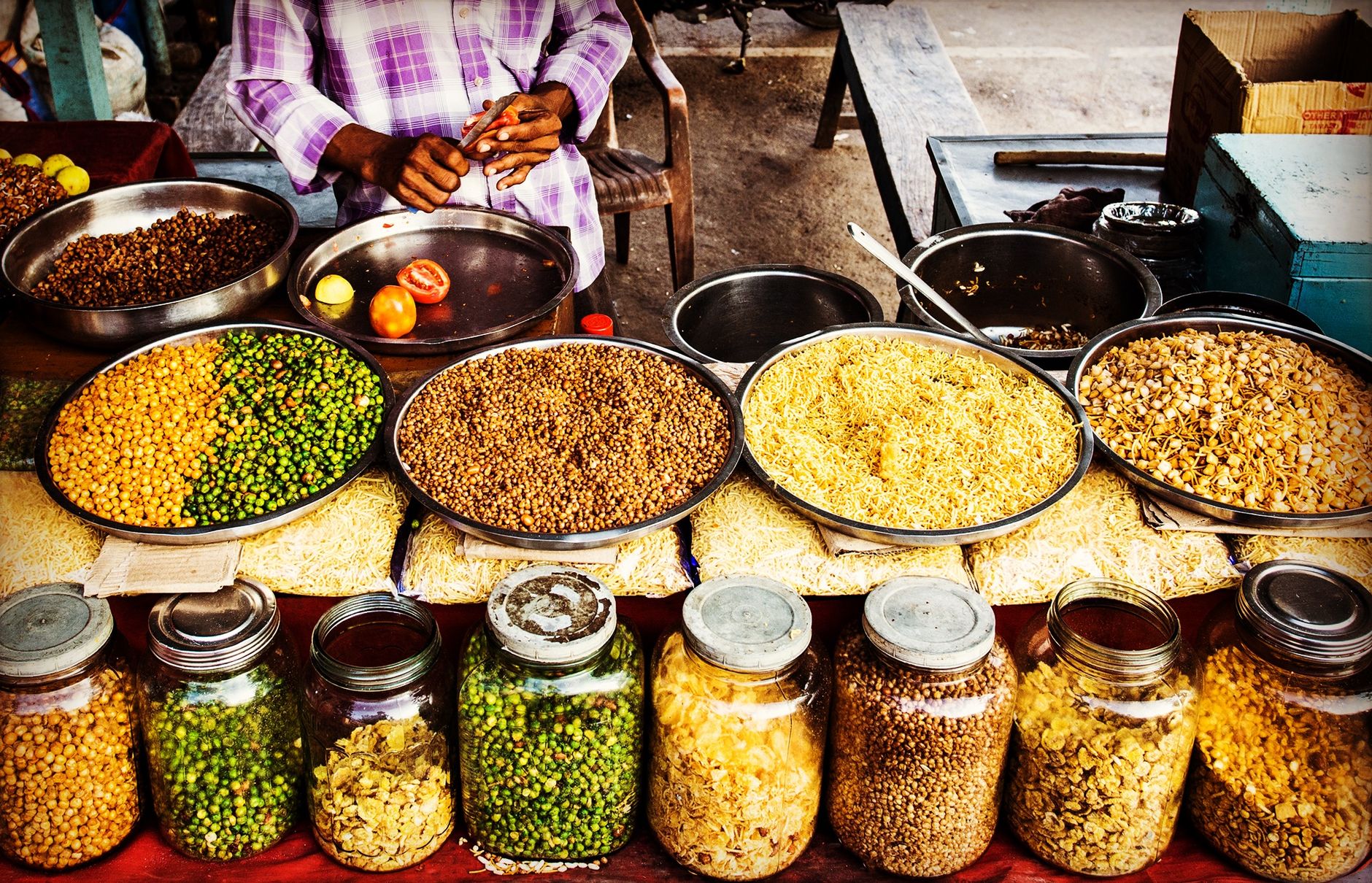
How Indian Spices Rewrote Global Food History

Food writers love to wax poetic about Indian spices like they cracked the code on flavor. They didn’t. What they actually did was reshape the world’s economy for 400 years, change how every major cuisine evolved, and build supply chains that still keep our kitchens stocked. That smell in your pantry? Thank the spice trade.
Pepper, Cloves, and Nutmeg Were Worth More Than Gold
For centuries, spices from India’s Malabar Coast and Indonesia’s islands were more valuable than gold in Europe. A pound of cloves could get you a house. Nutmeg traded ounce-for-ounce with gold. This wasn’t about taste—it was survival. Spices preserved meat and masked the stench of rotting food before refrigeration existed.
European powers didn’t colonize Asia just for territory. They wanted control of the spice trade. Vasco da Gama’s 1498 trip to India kicked off colonialism because spices meant wealth. Empires weren’t built around spices—spices built empires.
Real spices have terroir, just like wine. Kerala’s black pepper has a citrusy punch Vietnam’s lacks. Kashmiri saffron tastes different from Iran’s (though Iran grows 90% of the world’s supply). Fresh spices should hit your nose hard. If your cardamom smells like nothing, it’s basically dust.
Where the Spice Trade Actually Shaped Modern Cuisine
Indian spices didn’t stay put. They rewrote global cooking. Thai food leans on Indian coriander and cumin. Mexican mole uses cloves and cinnamon—spices that arrived via Spanish ships. British curry houses exist because Indian cooks adapted recipes for colonial tastes. Even Chinese five-spice powder follows Indian blending logic.
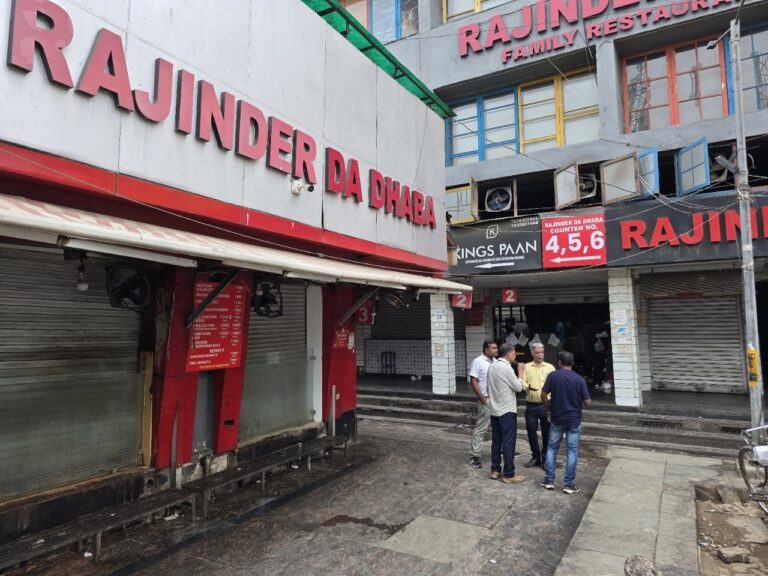
For the real deal, hit a wholesale spice market. Delhi’s Khari Baoli has operated for 300+ years. You can grab cardamom by the kilo for $15-20 from traders sourcing the same way they did for European ships. Skip the pre-ground supermarket stuff. The difference will knock you over.
In Kerala? Check out Kochi’s Fort district warehouses. These aren’t tourist spots—they’re working facilities where pepper and cloves get sorted by hand, same as two centuries ago. The air alone is worth the visit.
The Uncomfortable Truth About Spice and Colonialism
Food media romanticizes the spice trade. Don’t buy it. This was extraction. Indian farmers were forced to grow spices instead of food, leading to deadly famines under British rule. The money flowed to Europe, not the people growing the crops.
That’s why Western cooking still treats spices as afterthoughts. Meanwhile, Indian and Southeast Asian cuisines developed deep spice knowledge because they had to work with what they had. The complexity wasn’t an accident—it was innovation under pressure.
This changes how you cook. Whole spices, freshly ground, become essentials, not garnishes. Treat them like good wine. Buy a kilo of black pepper from an Indian market, grind it as you go, and cook with it for a month. Suddenly, those empire-building wars make sense.