Tokyo
Tokyo Bangkok
 Seoul
Seoul Singapore
Hokkien Mee: Malaysia’s Best $2 Noodle Dish
Hokkien Mee puts most $15 restaurant noodle dishes to shame. The best versions cost under $3 at Kuala Lumpur hawker stalls. That’s not hype—just facts.
Why Hokkien Mee Works When So Many Noodle Dishes Don’t
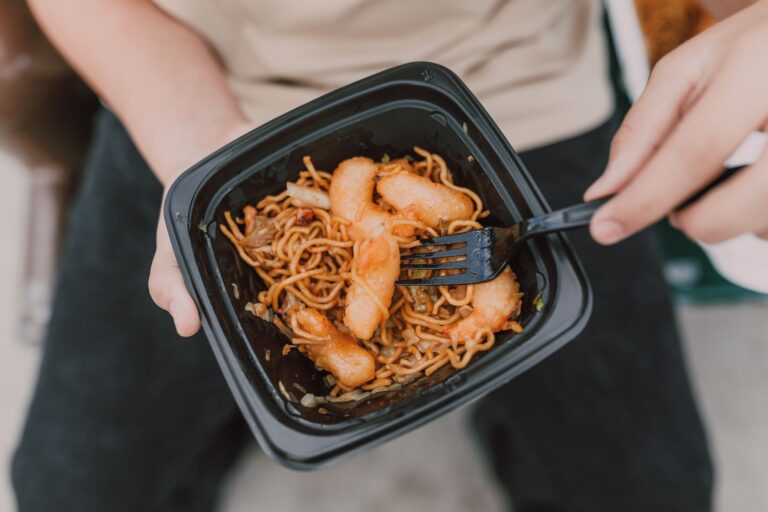
Born in Malaysia’s Hokkien Chinese communities, this dish combines egg noodles and thick rice noodles with shrimp, squid, Chinese sausage, and bean sprouts. The magic happens when everything hits the screaming-hot wok with dark soy sauce. Cooks have about ninety seconds to nail it before the noodles turn to mush.
What makes it great? Fresh seafood, good soy sauce, and a cook who cares. No fancy garnishes can save bad ingredients. The best versions have that smoky wok char—Malaysians call it “wok hei.” Bad ones taste like yesterday’s leftovers.
Where to Actually Eat This in Malaysia
In Kuala Lumpur, head to Jalan Alor night market. Chaotic, crowded, and smelling like a hundred woks going at once—that’s how you know it’s good. Look for lines. One standout: a stall run by a woman in her 60s who’s been there decades. No sign, just great food. Her version uses hand-peeled shrimp and squid with actual texture. Costs about 9 ringgit ($2).
Penang’s Gurney Drive hawker center does it differently. Stalls compete side-by-side, keeping standards high. Try Restoran Hokkien Mee (yes, really)—they’ve been at it since 1987. Their version gets more wok heat, giving it extra smokiness.
Selangor’s Petaling Street market works in a pinch, though it’s more touristy. Prices run 12-15 ringgit here.
What Travel Guides Won’t Tell You: The Class Element
Here’s the truth: Hokkien Mee is working-class food. Created by laborers needing cheap, filling meals. No fancy restaurants serve it because that’s not the point. You’ll find it where it belongs—hawker stalls with plastic stools and thin napkins.
Eat it beside construction workers and night-shift folks. The cook’s sweating, the plates are chipped. No Instagram moments here—just good food. Locals argue endlessly about whose version reigns supreme. Penang says theirs beats KL’s. KL disagrees. The debate matters because the food matters.
Do this: Hit Jalan Alor before 9 p.m., grab Hokkien Mee from any busy stall, and eat it standing up with a cold beer. Don’t wait for something better—this is it.