Jakarta Street Food by Neighborhood: Where to Eat Like a Local
At 5 a.m. in Tanah Abang, a woman in a yellow apron ladles broth over beef tendon and noodles while commuters line up with their phones already out, ready to transfer payment. She’s been doing this for fifteen years, and she doesn’t need a sign. The broth tastes like beef stock reduced for hours, nothing more. That’s Jakarta street food: not Instagram-ready, just competent and cheap and there when you need it.
The city has no unified food culture the way Bangkok or Hanoi do. Instead, it’s a collection of neighborhoods, each with its own eating rituals. To eat well here, you stop thinking of “Jakarta food” and start thinking geographically.
Menteng: Where Soto Ayam Means Something
Soto ayam exists everywhere in Indonesia, but Menteng’s version is the one that matters. The difference is turmeric—not the spice, but the amount. A proper bowl should taste like turmeric first, then chicken, then the supporting cast of galangal and garlic. Bad soto ayam tastes like salt with yellow food coloring. Good soto ayam tastes like someone decided turmeric was the point.
Warung Soto Ayam Betawi, tucked behind a row of shops on Jalan Menteng Raya, has been serving the same recipe since the 1980s. The owner, Ibu Siti, uses free-range chicken from a supplier in Bogor, and she makes her own paste every morning. A bowl costs about 35,000 rupiah (roughly $2.30). Go before 10 a.m., when she’s still got stock. The accompanying perkedel—potato fritter—is crisp, not greasy, which means she’s changing her oil properly.
Tanah Abang: Bakso Is a Commitment, Not a Snack
Bakso (beef meatball soup) is Jakarta’s working-class breakfast. In Tanah Abang, the textile district, it’s also a statement about who you are. The best bakso vendors here—and there are dozens—don’t differentiate themselves through innovation. They differentiate through consistency and portion size.
Bakso Malang Cak Iman, on Jalan Tanah Abang III, serves a bowl so large it requires two hands and costs 40,000 rupiah. The meatballs are soft, almost custard-like, which means they’re made from beef that’s been ground twice. The broth is clear, which means it’s made from bones, not powder. Eat it standing up, the way everyone else does, because there’s no seating and there’s no point pretending otherwise.
Blok M: Street Food That’s Actually About the Street
Blok M’s night market (pasar malam) operates Tuesday through Sunday from 6 p.m. onward, and it’s the closest Jakarta gets to a unified food experience. This isn’t tourism infrastructure—it’s where office workers and students and families actually eat dinner. The vendors here rotate, but the categories stay consistent: satay, grilled corn, fried tofu, lumpia, martabak.
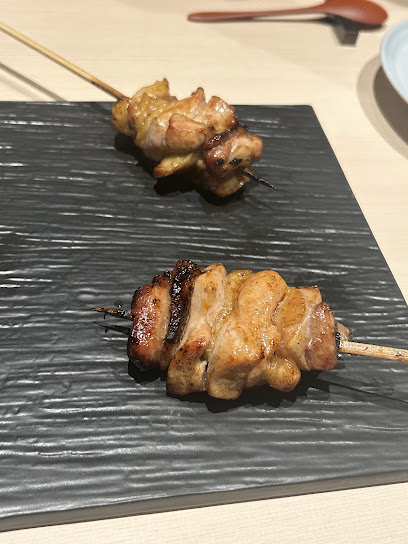
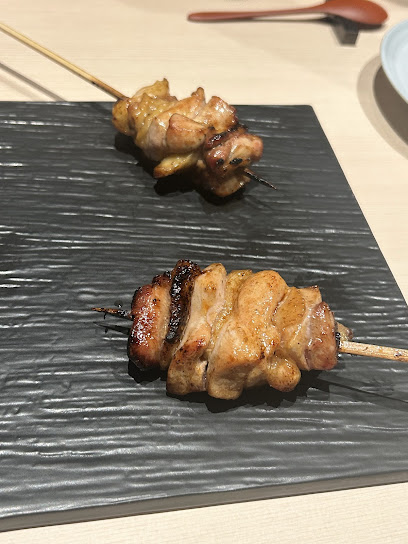
Find the satay vendor with the longest line. Go there. Don’t ask questions about the meat source or the marinade. The line exists because the vendor is fast and the satay is properly charred. That’s the entire system.
Kota: The Honest Truth About Street Food in Jakarta
Most travel guides will tell you that street food in Jakarta is “authentic” and “affordable” and “where real life happens.” What they won’t tell you is that hygiene standards are genuinely inconsistent, that some vendors are excellent and some are cutting corners with MSG and old oil, and that your stomach might disagree with your sense of adventure.
The vendors who’ve been in the same spot for ten years have figured out what works. The ones who move around every few weeks are usually moving because they got sick of the location, not because business was good. Watch where locals eat. If there’s a queue at 6 p.m., there’s a reason. If it’s empty at 7 p.m., there’s also a reason.
Kota’s old town has legitimate soto betawi vendors—the beef soup version that’s specific to Jakarta proper—but it also has tourist-priced versions that taste like nothing. Soto Betawi Pak Haji, on Jalan Pintu Besar Utara, charges 45,000 rupiah and serves it in a proper earthenware bowl because the clay actually affects the flavor. That’s worth knowing.
What Actually Matters
Go to Tanah Abang at 6:30 a.m. on a weekday and eat bakso standing up with the people who work there. Don’t overthink it. Don’t photograph it. Just eat it and understand that this is how most of Jakarta starts its day. That’s the entire guide.