Tokyo
Tokyo Bangkok
 Seoul
Seoul Singapore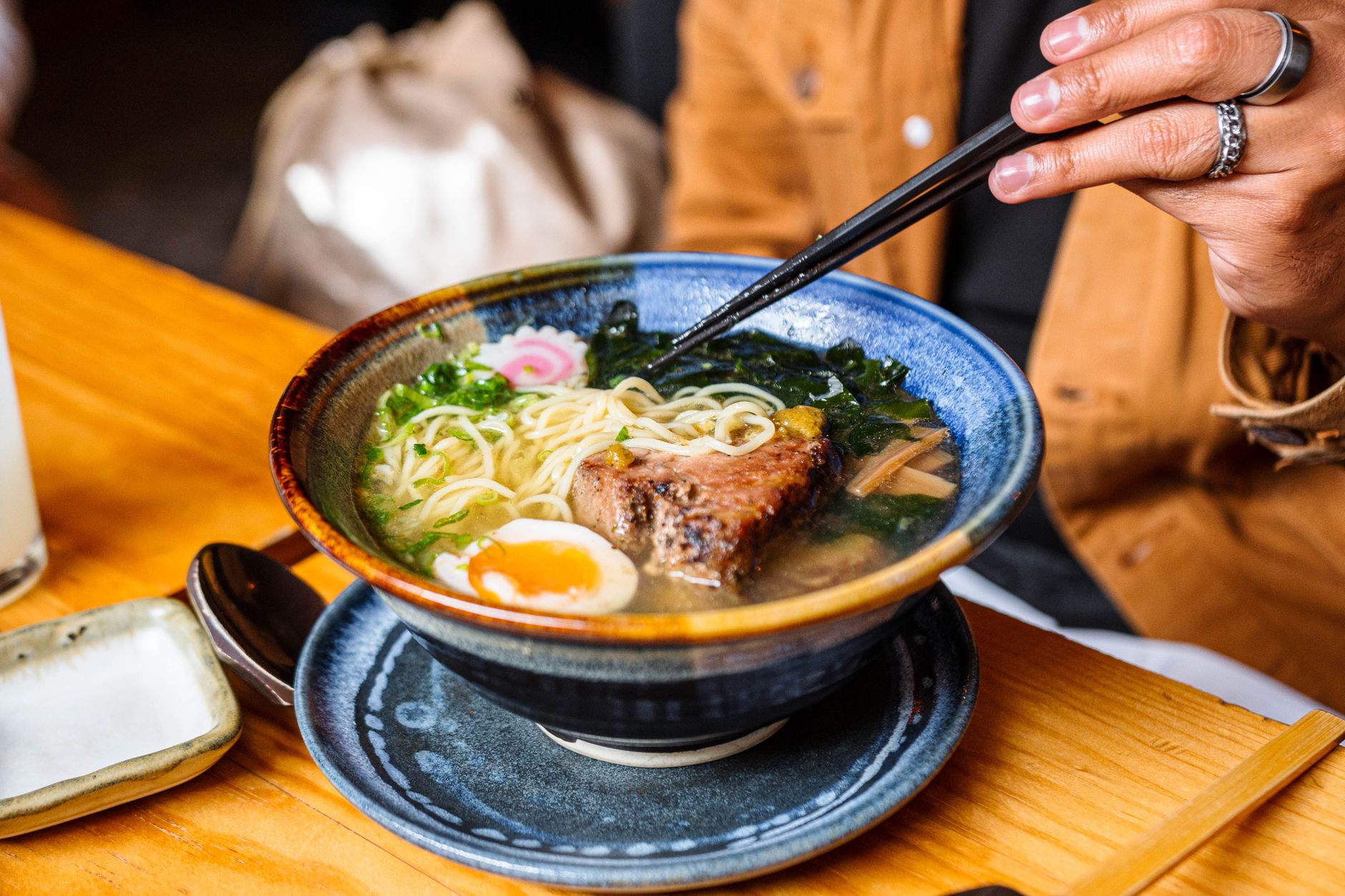
Shio Ramen Recipe: Make Authentic Japanese Salt Ramen at Home
Shio ramen is Japan’s original ramen style—and the trickiest to pull off in your kitchen. Salt-based broths need surgical precision, unlike tonkotsu’s creamy cushion or miso’s flexible depth. Nail it, and you’ll see why Tokyo shops charge $18 for bowls that defy home replication.
The Broth Foundation Separates Good Shio Ramen from Mediocre Versions
Shio’s crystal-clear broth is both its signature and its downfall. No cloudy tonkotsu safety net here. Top versions blend chicken and seafood stocks—usually dashi from kombu and bonito, boosted with chicken bones cooked 12-18 hours. The double-stock trick delivers umami without murkiness.
Grab 2 pounds chicken bones (backs/necks), 1 ounce kombu, and 1 ounce bonito flakes. Blanch bones first—this kills cloud-causing gunk. Simmer them in 3 quarts water at a whisper for 12 hours. At hour 10, add kombu for 30 minutes, then yank it. Toss in bonito flakes for the last half-hour. Strain through cheesecloth; no squeezing.
The tare (seasoning base) needs to be 40% salt by weight. That’s 40 grams salt per 100 grams liquid. Home cooks always under-salt, leaving broth lifeless. Mix sea salt with kombu salt for complexity. Go easy on soy sauce—keep it under 15% of your tare volume. Too much wrecks the broth’s delicate balance.
Technique Matters More Than Ingredients in Shio Ramen
Tokyo’s shio masters—Ichiran in Shinjuku, Ippudo nationwide—win with skill, not secret ingredients. Strain broth twice: first normally, then through fine cheesecloth. Temperature is king. Hold finished broth at 165-170°F. Dip below 160°F, and your 12-hour clarity turns cloudy from emulsified fat.
Noodles should be thin, straight, boiled exactly 90 seconds in salted water. Fresh kansui noodles or bust—dried won’t cut it. Drain fully, then ice-bath them for 10 seconds to lock in texture.
Assembly is a 45-second sprint. Pour 150ml hot broth into bowl, add 30ml tare, stir, then dump in 400ml more broth. Nestle noodles in center. Crown with a 67-minute soft egg, three chashu slices, and a scallion tuft. Serve. Now.
Most Home Cooks Fail Because They Don’t Understand Shio’s Minimalism
Westerners treat ramen like French cooking—pile it on, tweak endlessly, assume extras equal better. Shio flips that script. Every component must earn its spot. Broth should whisper “sea and chicken,” nothing more. Tare needs to punch clean. Toppings assist, never overwhelm.
That’s why Japanese shio shops often serve just one bowl. Not pretentious—practical. The dish tolerates zero deviation. Off broth? Whole bowl tanks. No backup flavors.
The ultimate shio likely comes from some Tokyo closet-sized shop running the same broth for decades. You won’t match that overnight. But you can honor the spirit: keep broth pristine, season with conviction, and quit tossing in extras.
Try a 3-quart test batch this weekend. Sample at 6, 12, and 18 hours. You’ll instantly grasp why shio won’t be rushed.