Laksa vs Ramen: Which Noodle Soup Actually Wins
Tonkotsu ramen and laksa are not competitors—they’re philosophical opposites, and pretending they’re just “different takes on noodle soup” misses everything that makes them worth eating. One builds its entire identity around restraint and precision. The other throws everything at you at once and dares you to keep up. One will destroy you with subtlety. The other will destroy you with coconut cream and chili oil. Neither is better. But they’re fighting for completely different things.
Tonkotsu Is About What You Remove, Not What You Add
A proper tonkotsu ramen broth takes 12 to 18 hours of simmering pork bones—usually a mix of leg bones, spine, and marrow bones. That’s it. No vegetables added mid-boil, no aromatics cluttering the pot. You’re not making stock; you’re extracting. The bones break down, collagen converts to gelatin, and what emerges is a broth that’s simultaneously rich and clean, opaque and somehow still delicate. A bad tonkotsu tastes like boiled meat. A good one tastes like the Platonic ideal of pork.
The noodles matter, but they’re secondary—alkaline, springy, designed to be a vehicle rather than a statement. The toppings (soft-boiled egg, bamboo shoots, scallions, maybe a sheet of nori) are garnish. Everything serves the broth. This is Japanese cooking at its core: obsessive reduction, the belief that perfection lives in elimination.
Ramen’s genius is that it’s reproducible at scale. A bowl costs $12 to $16 in most major US cities. A truly excellent one costs $14. The economics are built on volume and consistency, not scarcity or luxury.
Laksa Is Abundance Without Apology
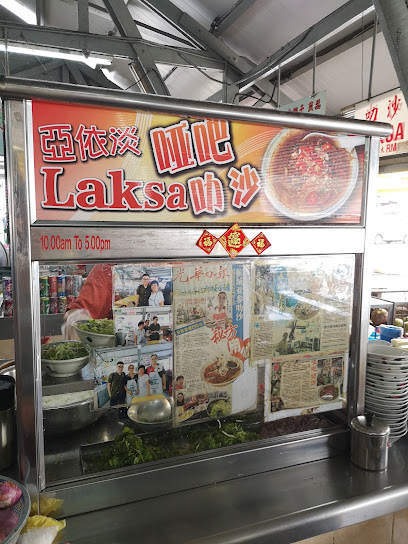
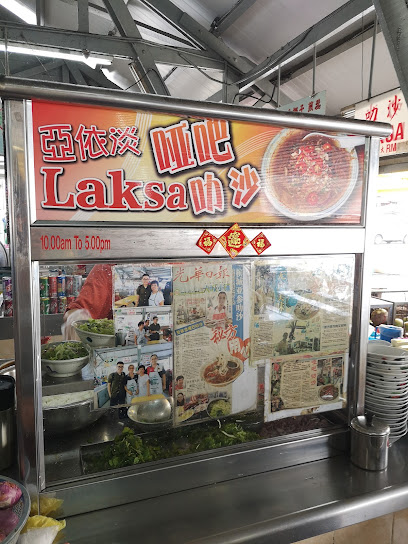
Malaysian laksa—specifically the Penang variety, though Sarawak’s are equally legitimate—starts with a spice paste: chilies, shallots, garlic, galangal, turmeric, sometimes shrimp paste. This gets fried in oil until it smells like someone’s about to commit a crime in your kitchen. Then coconut milk joins the party. Then broth. Then fish cakes, tofu, bean sprouts, hard-boiled eggs, and a handful of other things that might include chicken, shrimp, or nothing at all depending on who’s making it.
The broth is thick, creamy, spiced in a way that builds rather than announces itself. It’s not one flavor hitting you; it’s five or six flavors arriving in sequence, each one revealing something new about the others. The heat is real but patient. The coconut is there but doesn’t dominate. The umami from the paste and broth creates a savory undertone that keeps you coming back.
Laksa doesn’t apologize for being labor-intensive. A good bowl requires real skill and real time. You can’t fake it with shortcuts. And because it’s regional, not industrialized, it’s almost always made by someone who learned it from their grandmother or their mentor. That matters more than it should.
The Honest Truth: Geography Determines Which One You Should Care About
If you live in London, New York, Sydney, or Toronto, you have access to genuinely excellent ramen. Chains like Tonkotsu (UK) or Ippudo (everywhere) have figured out how to maintain consistency across locations. But laksa? Real laksa? That’s harder. You need someone who understands the paste, who won’t cut corners with pre-made curry bases, who respects the soup enough to make it properly.
In London, go to Penang Cuisine in Covent Garden. In Sydney, Laksa King in Haymarket. In New York, Jing Fong has decent Cantonese laksa. But the best laksa you’ll ever have is probably in Penang or Kuala Lumpur, made by someone working out of a shophouse for $3 a bowl.
Similarly, the best ramen isn’t at a fancy restaurant in Manhattan. It’s at Ichiran in any major city, or at a standalone shop in a strip mall. The best ramen costs what ramen should cost: not a lot.
Pick Your Philosophy and Commit
Here’s what matters: Ramen teaches you that perfection can come from focus. Laksa teaches you that perfection can come from balance. One is a sprint; one is a negotiation. If you want to understand how a single ingredient (pork bone) becomes transcendent, eat ramen. If you want to understand how five competing flavors become one unified thing, eat laksa.
But don’t eat them back-to-back expecting them to be comparable. That’s like comparing a martini to a margarita and wondering which one is “better.” They’re not fighting the same fight.
Go find the best laksa in your city. Eat it twice. Then find the best ramen. Eat it twice. You’ll understand.