Tokyo
Tokyo Bangkok
 Seoul
Seoul Singapore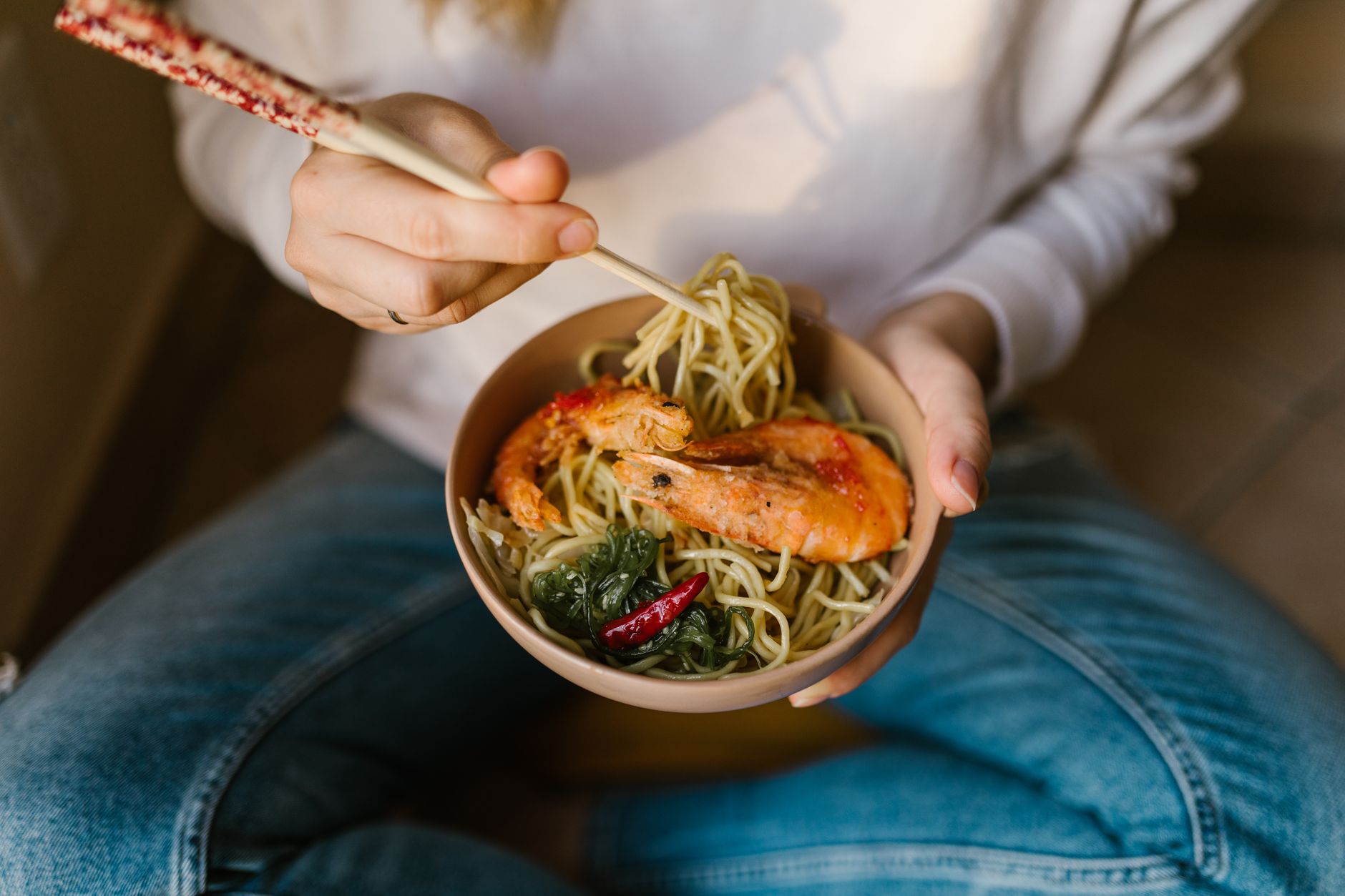
Pad See Ew: The Thai Noodle Dish That Deserves Your Attention
Pad See Ew doesn’t fuss. It’s not fancy. This is the dish Bangkok street vendors slap together at midnight for hungry workers who need something hearty, fast. That’s the whole point.
Dark Soy, Fat Noodles, and Why Some Versions Just Work
“Stir-fried soy sauce noodles” sounds basic. The magic happens in the wok. You need fresh, wide rice noodles (think fettuccine thickness), proper dark soy sauce—the kind that’s almost black and tastes like molasses, not the watery supermarket stuff—plus garlic, Chinese broccoli or kale, and your choice of protein (chicken or pork, usually). The wok has to be scorching hot, just shy of burning everything.
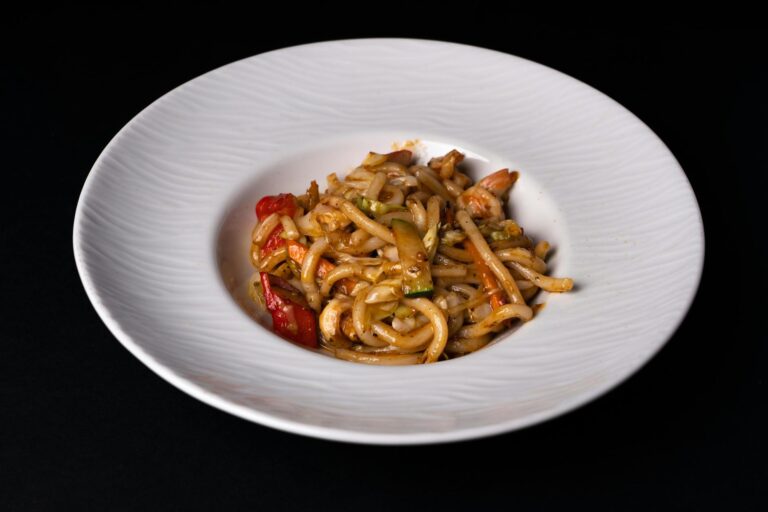
Good pad see ew? Three things: blistering wok heat, quality dark soy, and a cook who knows noodles should have crispy edges, not drown in sauce. The best versions have texture—chewy noodles with a little char, greens that still crunch, a balance of sweet, salty, and savory without any one flavor hogging the spotlight.
Bad ones? Mushy noodles swimming in brown sauce. Walk away.
Skip the Fancy Spots: Street Stalls Do It Right
The best pad see ew isn’t in some glossy restaurant. It’s from a cart on Sukhumvit Soi 38 in Bangkok, where a woman named Noi has been cooking the same four dishes for 23 years. Her version costs about $1.50 and takes 90 seconds to make. No menu. No frills. Just perfection.
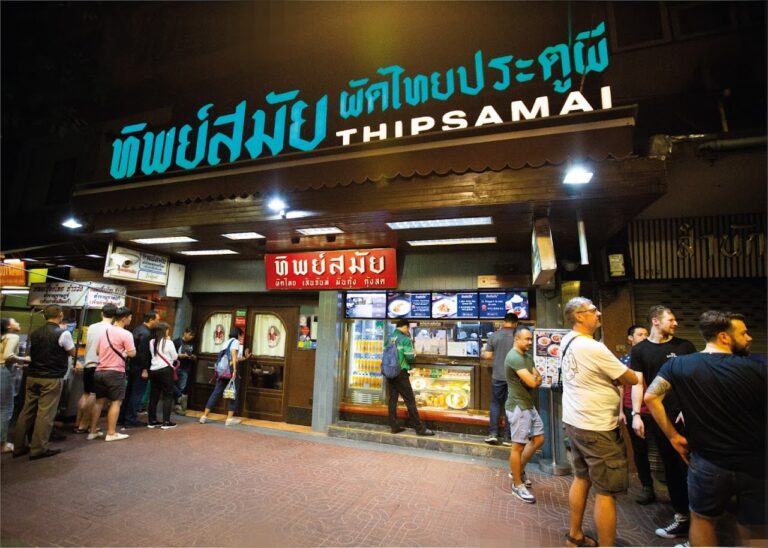
Not in Bangkok? Look for Thai restaurants where actual Thai people eat—not the ones with silk curtains and tourist prices. In London, hit Kilikili on Bethnal Green Road. Sydney’s Chat Thai in Haymarket nails it. Stateside, check Thai neighborhoods in LA, Houston, or NYC’s outer boroughs. Go at lunch. The regulars know which spots don’t cut corners.
Stick with chicken or pork. Only get shrimp if the place gets it fresh daily—this dish doesn’t need fancy protein, just good ingredients.
What Pad See Ew Teaches You About Real Thai Food
This dish proves Thai cuisine isn’t about overcomplicating things. No endless ingredient lists here. Just a quick stir-fry that’s unpretentious, cooked by people who feed others for a living. Its simplicity is its strength.
It’s also a masterclass in balance. Sweet from the dark soy, salt from fish sauce, umami depth, maybe a hint of heat from pepper or chili. Nothing overpowers. The greens add crunch and bitterness. The wok’s char brings depth. Every part matters.
Most Western Thai restaurants miss this entirely—they drown everything in coconut milk and call it authentic. Pad see ew cuts through the nonsense. This is what Thai people eat when no one’s watching.
Try this: Find a Thai joint near a Thai neighborhood. Go at noon. Order pad see ew with chicken. Notice the noodles’ chew, the smoky edges, how the dark soy tastes nothing like the stuff in your cupboard. Then realize this $6 plate tells you more about real food than any overpriced “authentic” spot ever could.