Tokyo
Tokyo Bangkok
 Seoul
Seoul Singapore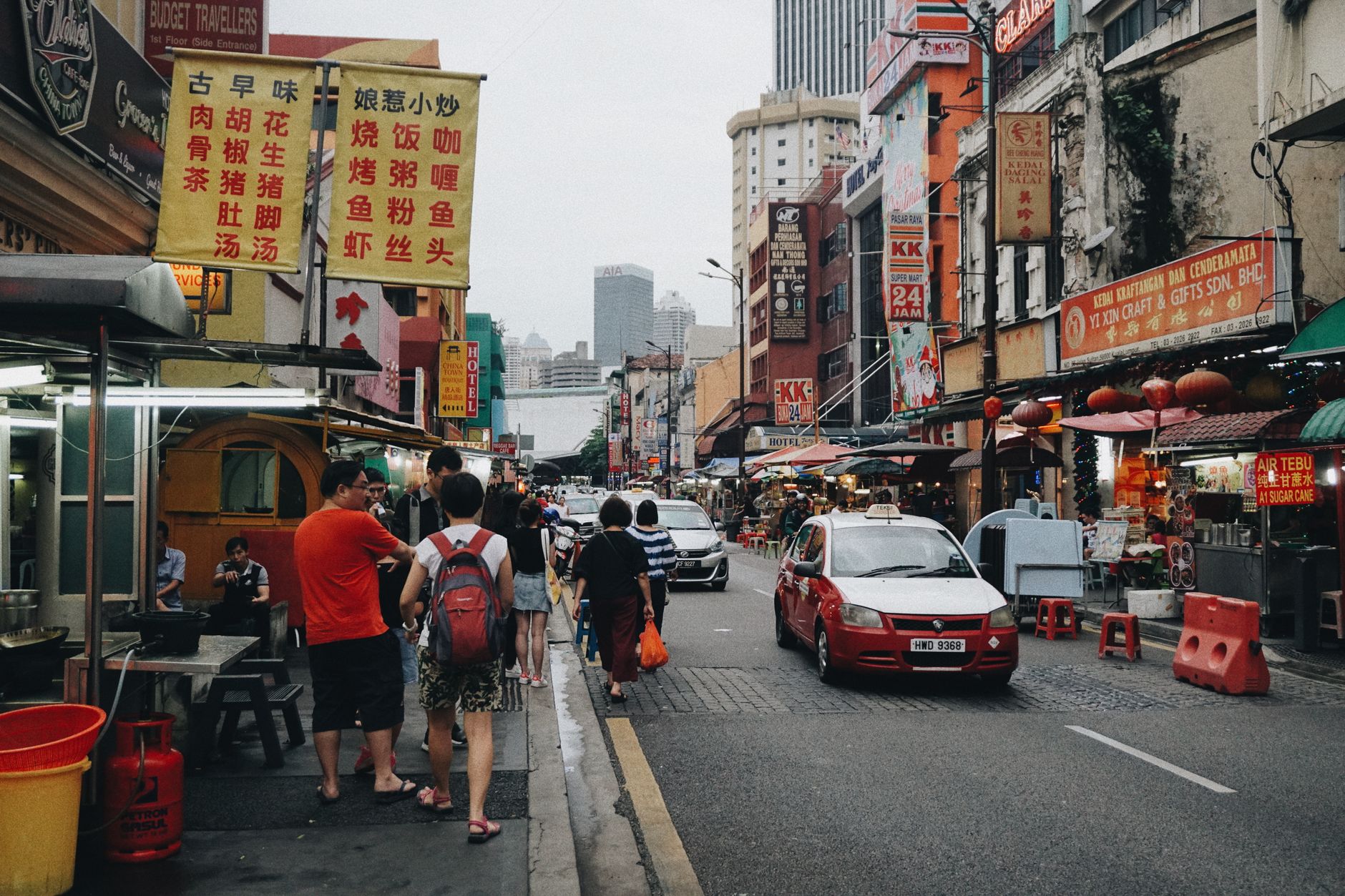
Kuala Lumpur Food Guide: Jalan Alor & Petaling Street
Kuala Lumpur’s best food isn’t found in fancy restaurants—it’s on the streets, where locals crowd around sizzling woks and smoky grills. This is messy, loud, and utterly delicious. Tourist brochures push the mall food courts, but ignore them. The real action happens at places like Jalan Alor and Petaling Street, where fish heads blacken over charcoal and noodles get tossed in fiery woks. No frills, just flavor.
Jalan Alor: Where the Grill Never Stops
When the sun goes down, Jalan Alor wakes up. Two blocks of pure, unfiltered eating—no souvenirs, just decades-old stalls serving food that hasn’t changed in generations. Make a beeline for the seafood grills, especially Restoran Alor Seafood and Ah Wah. Their ikan bawal (pomfret) is a masterclass in simplicity: butterflied, stuffed with ginger and scallions, then blasted with heat until the skin crackles. The trick? High heat, one flip, and zero compromises. The result? Juicy flesh under a smoky crust.
Don’t sleep on the satay. Skip the sad, sauce-drowned versions and go for stalls grilling their own meat. Chicken thighs work best—they char better than breast, soaking up smoke and pairing perfectly with the nutty sauce. Throw in some king prawns, their shells blistered and briny. Come early. By 9 PM, the good stuff’s gone.
Petaling Street: The Multicultural Collision Point
Petaling Street is chaos, but the good kind. Chinese, Malay, and Indian flavors don’t just share space here—they collide. The char kway teow varies wildly between stalls. Some use pork lard, others go heavy on shrimp. Stall 8-10 near the entrance nails it: chewy noodles, just enough grease, and a wok hei (breath of the wok) that lingers. No mushy disappointments here.
Down at the southern end, roti makers stretch dough to near-transparency before slapping it on the griddle. The roti canai shatters on impact, perfect for dunking in rich dal. For something soupier, try the laksa. The best versions simmer for hours, building a broth that’s creamy, turmeric-kissed, and sneakily spicy. Mediocre laksa tastes thin; the good stuff sticks to your ribs.
Building Your KL Food Strategy
Hotels will steer you wrong. Ask a taxi driver where they eat after their shift. Hit Jalan Alor midweek—fewer tourists, same killer food. Cash only. Order small plates to taste more. And yes, you’ll need that beer. Some dishes pack serious heat.
Petaling Street’s better early, around 7 PM, before it becomes a shoulder-to-shoulder scramble. Stand. Eat. Get messy. Comfort isn’t the point. Kuala Lumpur’s street food doesn’t cater to timid eaters, and that’s why it’s so damn good.