Tokyo
Tokyo Bangkok
 Seoul
Seoul Singapore
Tokyo Street Food by Neighborhood: Where to Eat Real Food
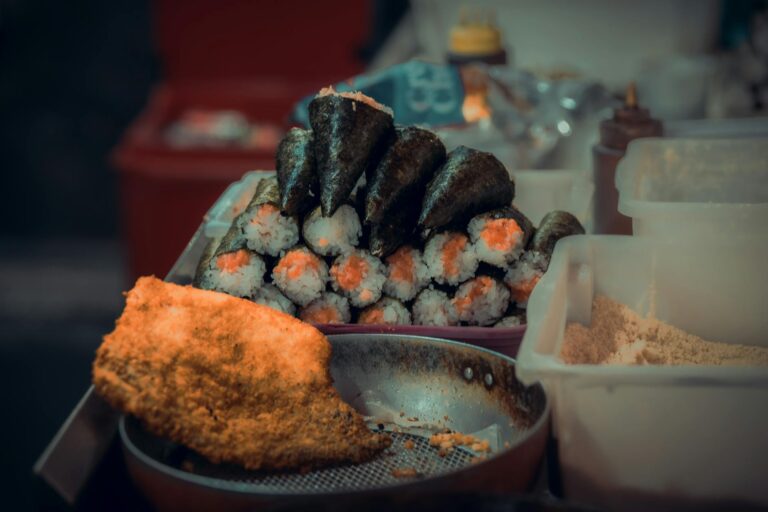
Tokyo’s street food scene isn’t what it used to be—not because the quality dropped, but because stalls now cater to tourists instead of locals. Takoyaki is fluffier. Okonomiyaki looks perfect. Everything feels designed for photos, not flavor. Forget hunting for secret spots. The real trick? Head where locals still outnumber visitors, where chefs cook for regulars, not Instagrammers.
Tsukiji Outer Market: Where Sushi Chefs Buy Their Lunch
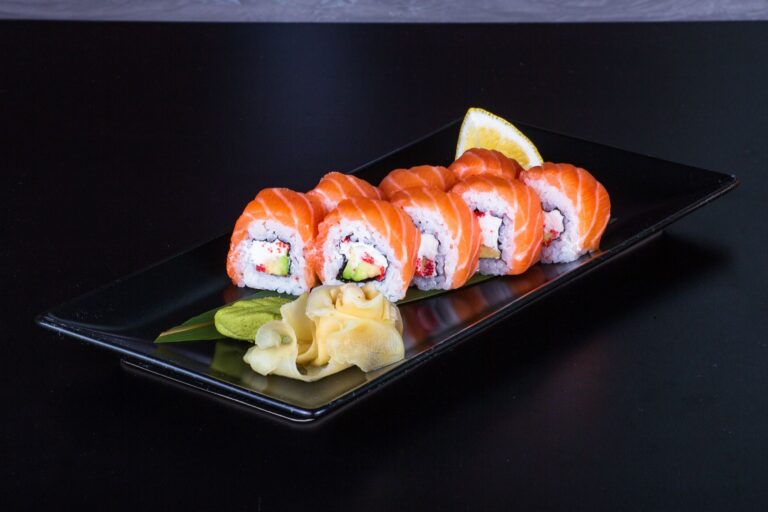
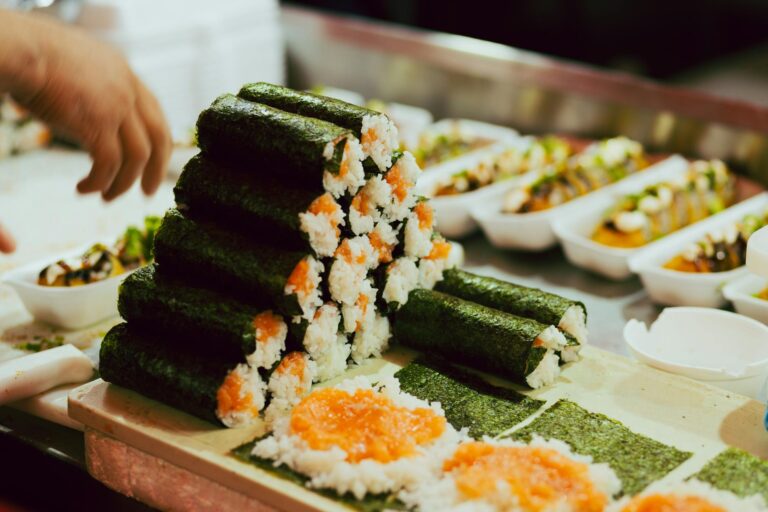
Tsukiji’s outer market stays legit because it serves people who actually know food. Sushi chefs and fishmongers won’t tolerate mediocrity. At Daikokuya, a no-frills counter near the south entrance, nigiri costs ¥200-300 per piece—half Ginza prices, same quality. Their Hokkaido uni arrives daily. The toro has real fat streaks. Nearby, tamagoyaki stalls battle for supremacy; Tamago no Kaitentei’s sweet egg recipe hasn’t changed since 1985. No gimmicks. Just good food.
Shinjuku’s Omoide Yokocho: Yakitori Without the Performance
Omoide Yokocho (“Memory Lane”) survives because it refuses to clean up its act. Charcoal smoke hangs in the air. Seats wobble. Chefs don’t smile. At Torikizoku, salarymen crowd around for ¥150 skewers—try the hatsu (chicken heart), charred outside, pink inside. The sauce? Just soy, mirin, stock. Applied three times. The chef’s been here 23 years. He won’t chat, but he remembers how regulars like theirs.
Koenji’s Side Streets: Where Younger Chefs Experiment
Koenji draws Tokyo’s creative types—people who avoid mainstream spots. The food follows suit. Kiji’s okonomiyaki uses yamaimo batter for a custardy center, topped with dancing bonito flakes. Ichiran’s ramen broth simmers 18 hours (pork bones, garlic, ginger) but costs just ¥900. This isn’t food for show. It’s for people who taste the difference.
Here’s the play: Tsukiji for breakfast (sushi, coffee), Omoide Yokocho for lunch (yakitori), Koenji for dinner (follow your nose). Skip English menus. Join Japanese lines. Copy what locals order. Tokyo’s best street food didn’t vanish—it just stopped posing for pictures.