Chow Mein Mastery: Regional Styles & Techniques Explained

Chow Mein Mastery: Regional Styles & Techniques Explained

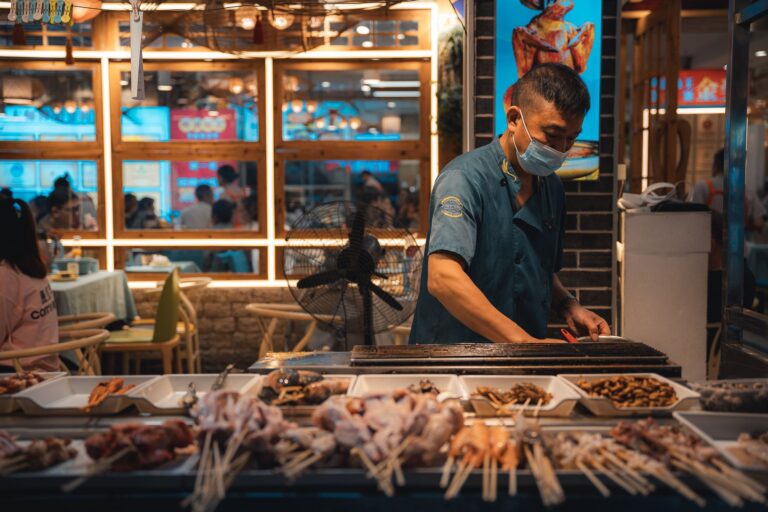
The first time I ate chow mein properly—not the takeout version from a strip mall in suburban America—was at 6 AM in a Guangzhou alley where a woman in her seventies worked a wok the size of a steering wheel over a roaring gas flame. The sound alone told you everything: that aggressive, rhythmic clang of metal on metal, noodles hitting the wok in waves, the sharp hiss of soy sauce hitting hot oil. The smell was pure umami—garlic, sesame, charred edges. That’s when I understood chow mein isn’t a dish you eat. It’s a dish you need to learn.

Why Chow Mein Matters in Chinese Kitchens

Chow mein exists because Chinese cooks refuse to waste. Leftover noodles, yesterday’s vegetables, protein that needs finishing—all of it gets thrown into the wok. It’s practical cooking at its best, which is why every Chinese grandmother has a version and why it’s remained a staple for centuries without needing reinvention. The technique is straightforward enough that a home cook can execute it, but difficult enough that most people get it wrong. That tension—between simplicity and precision—is exactly why chow mein deserves respect. In Shanghai, Beijing, Guangzhou, and Chengdu, you’ll find chow mein on nearly every menu because it’s affordable, fast, and when done right, genuinely delicious. It’s the dish that built restaurant reputations and fed construction workers at dawn. Unlike dishes that rely on expensive ingredients or elaborate preparation, chow mein proves that technique and timing matter more than anything else.

The Regional Splits: Soft Versus Crispy, Light Versus Dark

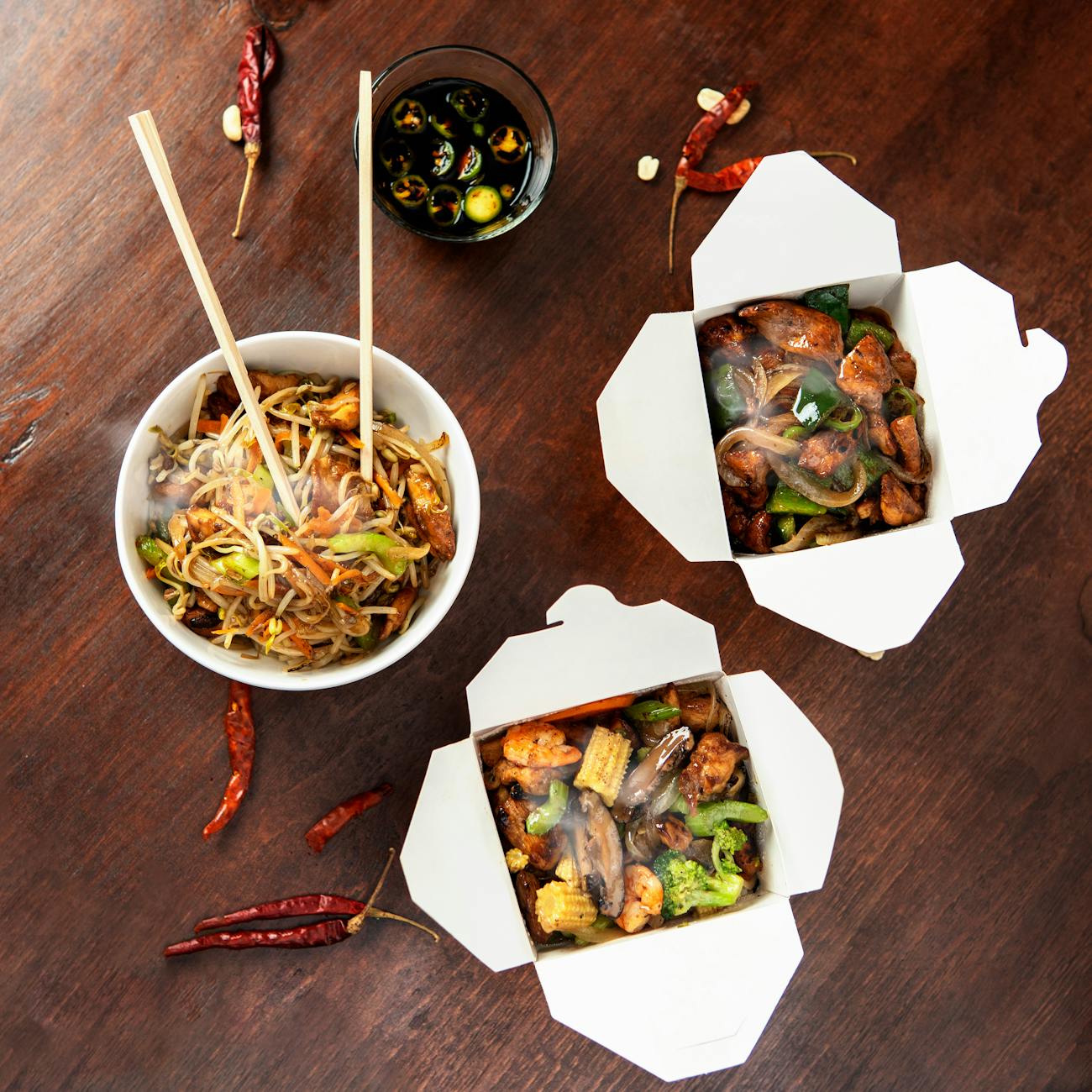
Cantonese chow mein—the style you’ll find in Guangzhou and Hong Kong—uses thin, slightly chewy noodles tossed constantly over high heat with soy sauce, oyster sauce, and whatever protein is available. The noodles stay soft, almost silky. Watch a proper Cantonese cook work: they’re moving the wok constantly, keeping everything from sticking, building flavor through layering and timing rather than heavy sauce. In contrast, Shanghai-style chow mein uses thicker noodles and darker soy sauce, creating something denser and more assertive. Shandong chow mein incorporates vinegar and sometimes sesame paste, giving it a completely different character—less about the noodle texture and more about sharp, competing flavors. Then there’s crispy chow mein, which isn’t really chow mein at all but rather noodles fried until they’re golden and crunchy, then dressed with sauce. I’ve eaten versions in Chengdu where chili oil is the star, versions in Beijing where the focus is on the wok’s heat and the noodles’ char. The regional variations aren’t subtle—they’re fundamental differences in philosophy about what chow mein should be.

The Wok Technique That Changes Everything

Here’s what separates mediocre chow mein from the kind that stops you mid-bite: heat and movement. Your wok needs to be genuinely hot—hotter than you probably think. The noodles should hit the wok and make noise. You’re not stirring gently; you’re tossing and moving constantly, keeping everything in motion so nothing sticks or burns unevenly. The cook I watched in Guangzhou added her noodles, waited exactly three seconds, then started moving. Sauce goes in last, not first, because if you add it too early the noodles absorb it unevenly and you end up with clumps. The whole process takes maybe four minutes. She used day-old noodles, never fresh ones—fresh noodles fall apart. She added a small amount of oil, not a lot. She used high heat, not medium-high. These aren’t suggestions; they’re requirements. Most home cooks fail at chow mein because they’re too gentle, too cautious. The wok wants aggression.

If you’re going to cook chow mein at home, understand that you’re learning a technique, not following a recipe. Get day-old noodles, heat your wok until it’s almost smoking, and keep moving. That’s where mastery begins.

🍴 Get the best of Asian food, weekly
Trending dishes, hidden gems & verified picks — straight to your inbox. No spam, unsubscribe anytime.
James Liu
About the Author
James Liu

James Liu covers Chinese and East Asian cuisine for WokFeed. A food anthropologist turned journalist, he specializes in the regional diversity of Chinese cooking — from Sichuan's fiery flavors to Cantonese dim sum culture. Based between Hong Kong and San Francisco.

📊 Data Sources & Editorial Standards
📍 Google Maps✍️ Editorial Research

WokFeed's restaurant guides are compiled from real traveler data, on-the-ground research, and cross-verified across multiple platforms. Our editorial team fact-checks all recommendations before publication.

Similar Posts