Best Asian Food in San Francisco: Korean, Japanese, Thai & Vietnamese
San Francisco’s Asian food scene doesn’t need defending—it needs recalibrating. While visitors queue outside mediocre dim sum parlors in Chinatown, the city’s real culinary action happens in less obvious corners, where Korean banchan arrives properly seasoned, where Japanese ramen broth simmers for 18 hours, and where Vietnamese pho tastes like someone’s grandmother is in the kitchen. The problem isn’t that San Francisco lacks great Asian food. It’s that too many travelers never venture beyond the guidebook recommendations.
Richmond District’s Korean Corridor: Where Technique Matters
Forget the perception that Korean food in America means banchan overwhelm and sizzling tableside meat. The Richmond District—specifically the stretch along Geary Boulevard between 16th and 20th Avenues—shows what happens when Korean cooks stop performing and start cooking seriously. Noriega Korean Restaurant doesn’t bother with theatrical presentations. What they do obsess over: the depth of their doenjang jjigae, where fermented soybean paste develops complexity over hours of gentle simmering. Their kimchi jjim arrives with pork belly so tender it dissolves against your palate, and the braising liquid carries notes of fish sauce and gochugaru that suggest real fermentation knowledge, not shortcut chemistry.
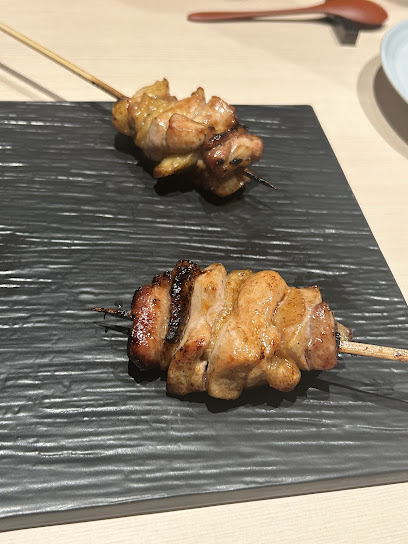
One block over, Torikizoku does yakitori differently than most American interpretations. Their chicken hearts and gizzards come charred properly—skin blistered, interior still yielding—with just salt and a light brush of tare. This isn’t Instagram food. It’s the kind of place where construction workers and Korean families sit elbow-to-elbow, ordering rounds of skewers and cheap beer like they’re refueling, not dining.
Japantown’s Ramen Wars: Competition Breeds Excellence
Japantown’s ramen shops operate under a specific pressure: they’re surrounded by competitors, all visible from the same block. This proximity creates accountability. Ippuku’s tonkotsu broth achieves that rare balance—rich enough to coat your mouth, clean enough that you can drink the bowl’s remaining liquid without guilt. They source their pork bones from specific suppliers and maintain water temperature within narrow margins during the 18-hour simmer. The noodles arrive with proper springiness, the kind that requires drying time most American kitchens skip.
Across the street, Hamacho Ramen takes a different path with their shio base, building umami through kombu, bonito, and dried shiitake rather than relying on pork fat. Their chashu—the braised pork topping—spends 12 hours in a soy-based reduction that penetrates completely. This isn’t ramen as comfort food. It’s ramen as a technical exercise where every component reflects deliberate choice. Japantown’s density means you can hit three different ramen shops in an afternoon and taste the philosophical differences between cooks.
Mission District’s Thai and Vietnamese Nexus: Neighborhood Cooking
The Mission’s 24th Street corridor between Mission and Valencia hosts some of the Bay Area’s most straightforward Thai cooking. Lers Ros doesn’t soften their dishes for American palates—their som tam arrives with enough chile heat to register as genuine threat, and their larb actually tastes of toasted rice powder and fish sauce rather than serving as a vehicle for cilantro garnish. Their panang curry uses coconut milk sparingly, letting the curry paste and meat flavors dominate.
Vietnamese food in the Mission operates under similar principles. Thanh Huong on Larkin Street makes pho where the broth tastes like someone simmered beef bones and charred onions for actual hours, not the abbreviated versions common elsewhere. Their bún chả—grilled pork with noodles and dipping sauce—arrives with properly charred exterior on the meat and a dipping sauce that balances fish sauce, lime, and chile with real precision. This is neighborhood cooking, the kind that builds regulars rather than chasing trends.
Book a table nowhere. Show up hungry, point at what other tables are eating, and trust that San Francisco’s Asian restaurants earned their reputation through repetition and standards, not marketing. That’s where the real food happens.