Braised Pork Belly: Master This Chinese Kitchen Essential
Braised pork belly isn’t comfort food—it’s proof that simplicity and patience can outperform complexity every single time. While Western kitchens obsess over sous vide and molecular techniques, Chinese home cooks have spent centuries perfecting a dish that requires nothing more than pork, soy sauce, and heat. That’s not restraint; that’s confidence.
Why Pork Belly Became Non-Negotiable in Chinese Cooking
Pork belly earned its place in the Chinese kitchen through economics and physics. The cut’s alternating layers of fat and meat become something transcendent when braised—the fat renders into gelatin, the collagen converts to silky mouthfeel, and the meat absorbs every ounce of the braising liquid. It’s not that pork belly is forgiving; it’s that the cooking method is fundamentally sound.
In Hunan and Sichuan provinces, braised pork belly appears on restaurant menus and home tables with equal frequency, a marker of reliable, unpretentious cooking. The dish requires no special equipment, no rare ingredients, and no professional training. A Dutch oven, soy sauce, ginger, garlic, and rock sugar are all you need. This accessibility explains why it remains a staple across three generations of Chinese families, from Shanghai to Sydney.
Regional Approaches: Soy Sauce, Spice, and Storytelling
Braised pork belly’s genius lies in its flexibility. In Shanghai, the dish leans toward sweetness—rock sugar and soy sauce create a glossy, almost lacquered exterior. The meat is cut into smaller cubes, and the braising liquid reduces until it coats each piece with concentrated flavor. Visit a Shanghai restaurant like M on the Bund’s kitchen, and you’ll see this version executed with precision.
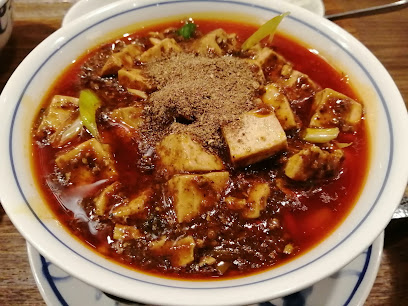
Sichuan takes a different approach entirely. Here, pork belly meets Sichuan peppercorns, dried chilies, and fermented bean paste. The heat isn’t aggressive; it’s layered and numbing, designed to complement rather than overpower the pork’s richness. In Chengdu’s street stalls and family kitchens, you’ll find versions where the braising liquid is dark, almost black, from doubanjiang and soy reduction.
Cantonese braised pork belly occupies the middle ground—less sweet than Shanghai, less spicy than Sichuan. The focus shifts to technique: low-and-slow braising that keeps the meat tender enough to cut with a spoon. Star anise, dried mushrooms, and sometimes chestnuts join the braising liquid, adding depth without distraction.
The Technique That Separates Good from Exceptional
Most home cooks make one critical mistake: they skip the initial sear. Braising pork belly without searing first means missing the Maillard reaction—the chemical process that builds the savory foundation everything else rests on. A proper sear on all sides takes ten minutes but transforms the final dish.
The second essential step is blooming your aromatics. Toast ginger slices and garlic in the rendered pork fat before adding liquid. This isn’t extra work; it’s insurance against one-dimensional flavor. The third element is patience with temperature. High heat initially brings the liquid to a boil, then you reduce to barely a simmer. Two to three hours at a gentle bubble produces meat that pulls apart; rushing with high heat yields tough, stringy results.
Finally, don’t skim the fat from the braising liquid. That fat carries flavor and creates the silky mouthfeel that defines the dish. If you’re concerned about richness, serve smaller portions alongside steamed rice and pickled vegetables.
Start with the Shanghai method if you’re new to this dish—it’s the most forgiving. Use pork belly with skin attached, cut into 1.5-inch cubes, and braise for 2.5 hours in a mixture of soy sauce, rock sugar, ginger, and garlic. You’ll understand immediately why this dish has survived every culinary trend: it simply works.