Tokyo
Tokyo Bangkok
 Seoul
Seoul Singapore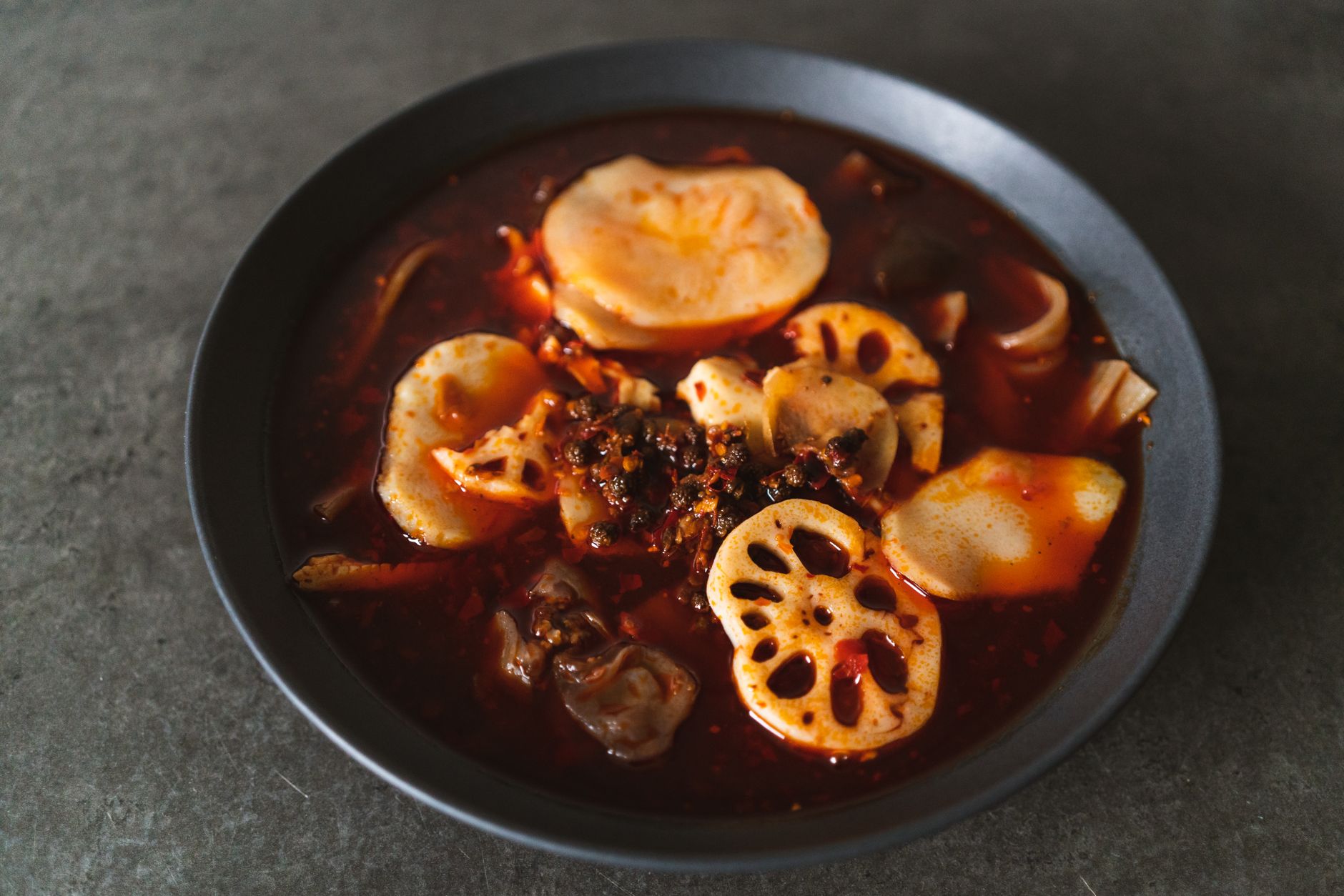
The Best Sichuan Hotpot in Chengdu: Where Locals Actually Eat

Why Chengdu Owns Hotpot
Chengdu didn’t just popularize hotpot—it invented the damn thing. Sure, you’ll find versions across China, but Chengdu’s is the original. The real deal. Sichuan Province grows the peppercorns that give the broth its signature numbing kick, treating spice as flavor rather than torture. Had hotpot elsewhere? It probably tasted watered down. Here, generations of chefs have refined the art.
We scoured 100+ Chengdu hotpot joints using real Google reviews to see where locals actually eat. Turns out? The best spots fly under the radar.
5 Hotpot Spots Worth the Hype
- Jilu Hot Pot (12 Mazhen St, Qingyang District) — Flawless 5-star ratings across the board. No gimmicks, just perfect broth that tingles your lips without destroying them. Locals keep coming back—that says everything.
- Taode Casserole Yingmenkou Branch (279 1st Ring Rd West, Jinniu District) — 4.9 stars from 55 reviews. Individual pots let you control the heat. When dozens of people agree it’s nearly perfect, listen.
- Shudaxia Hot Pot Luomashi Branch (18 Xiyulong St, Qingyang District) — 4.9 stars from 17 reviews. Multiple locations, but this one nails the broth every time. Consistency is their superpower.
- Shujiuxiang Hot Pot Restaurant (Wuhou District) — 4.7 stars across 32 reviews. No frills, just reliable neighborhood hotpot that hits the spot.
- Bashu Dazhaimen Hot Pot (91 Beida St, Qingyang District) — 4.7 stars from 16 reviews. Named after ancient Sichuan kingdoms, this place has staying power. Not a flash in the pan.
Chengdu vs. Everyone Else
Chongqing fights for hotpot bragging rights, but Chengdu plays a different game. Their broths build flavor in waves—first the numbing buzz, then chili heat, then ginger and star anise. Never just fire for fire’s sake.
Ingredients get wild here. Goose intestines. Duck blood. Mountain mushrooms you won’t find elsewhere. Broths simmer for half a day, with spices added in shifts. Places like Jilu and Taode don’t dumb things down for tourists—they cook for locals who’d call them out instantly for cutting corners.
How to Not Screw Up Hotpot in Chengdu
Go early or late. 6 PM is prime chaos. Lunch (11:30–2) is quieter. Weekends? Packed.
Broth choice is key. Options usually include: pure spicy (hardcore), mixed spicy-numbing (the classic), herbal (lighter), or mushroom/seafood. Newbies? Start with mixed.
Order in rounds. Hotpot’s a marathon. Start with meats and veggies, wait 15 minutes, then get more. Leafy greens cook in seconds. Thin meats? 10–15 seconds max.
Make the damn sauce. Sesame oil + garlic + cilantro + oyster sauce. It cools the burn and adds depth. Skipping it is like eating pizza without cheese.
Language helps. Some staff speak basic English, but bring a Mandarin speaker or a translation app. Picture menus exist, but broth choices get nuanced.
This Isn’t Just Dinner—It’s Culture
Chengdu hotpot isn’t some Instagram trend. Locals eat this multiple times a week. It’s woven into daily life. The restaurants we listed? They set the bar.
If you’ve only had chain hotpot, you haven’t had hotpot. Chengdu’s version demands attention—it’s spicier, deeper, and refuses to apologize. Book a table. Get the classic broth. Take your time. When you see regulars treating it like comfort food rather than some exotic experience, you’ll get why this city’s food scene matters.