Tokyo
Tokyo Bangkok
 Seoul
Seoul Singapore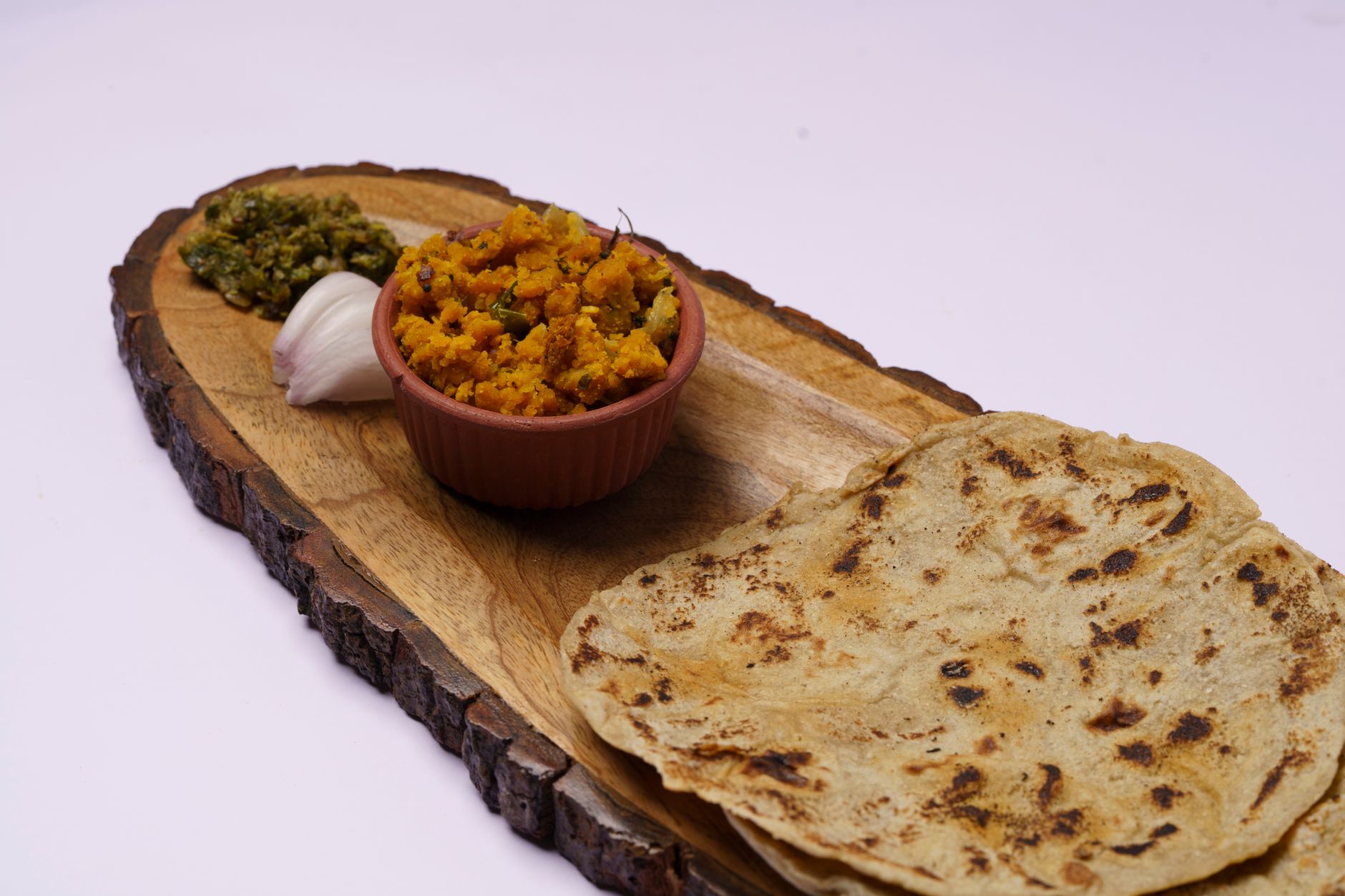
First Time Eating in India: What to Order and Eat Safely

First trip to India and nervous about the food? That’s normal — and with a little know-how, completely manageable. India is one of the most rewarding food destinations on earth, a country where vegetarians eat like royalty and every region tastes different. The key for first-timers is eating smart: hot, fresh, and busy. Get that right and you’ll spend your trip feasting, not worrying. This guide shows you how.
What to eat first: your starter 8
| Dish | What it is | Rough price | Where to find it |
|---|---|---|---|
| Thali | A platter of curries, dal, rice, and bread — often unlimited refills | ₹100–250 | Thali restaurants nationwide |
| Masala Dosa | Crispy fermented rice crepe filled with spiced potato (South) | ₹50–120 | South Indian tiffin houses |
| Butter Chicken | Creamy tomato curry — the gateway North Indian dish | ₹200–400 | North Indian restaurants |
| Biryani | Fragrant layered rice with spiced meat or vegetables | ₹150–350 | Biryani houses, Hyderabad |
| Chole Bhature | Spiced chickpeas with a giant puffed fried bread (North) | ₹60–150 | Street stalls, North India |
| Pani Puri / Chaat | Crispy shells filled with tangy, spicy water — the street-snack icon | ₹20–60 | Busy chaat stalls |
| Samosa | Fried pastry stuffed with spiced potato and peas | ₹15–30 | Everywhere, all day |
| Idli & Dal | Steamed rice cakes with lentil stew — the classic light meal | ₹40–90 | South Indian tiffin houses |
Hungry for more street snacks? We rank 12 Indian street snacks by addictiveness in a separate guide.
Eat smart: the first-timer’s golden rule
The infamous “Delhi belly” is avoidable. Follow these and most travellers are fine:
- Hot, fresh, and busy. Eat food that’s cooked to order and served steaming, from stalls with long queues and high turnover.
- Skip raw and room-temperature. Avoid uncooked salads, chutneys left out, cut fruit you didn’t peel yourself, and anything lukewarm.
- Only sealed bottled water — check the seal. Skip tap water and ice unless you know it’s filtered.
- Build up gradually. Give your stomach a few days before diving into the spiciest street food.
How to order
- “Veg” or “non-veg” is the big divide. Restaurants are labelled one or the other, and menus use a green dot (veg) or brown/red dot (non-veg).
- Thali means refills. Sit down, and servers keep topping up your curries, dal, rice, and bread until you signal you’re done.
- Order breads and curries to share at North Indian restaurants, with rice or roti alongside.
- Dhabas (roadside eateries) serve hearty, cheap, fresh food — a great, safe bet.
- Ask for mild. Spice levels vary hugely; “less spicy” is a fair request.
Facing an unfamiliar menu? Our Indian Menu Decoder explains the curries, breads, and terms you’ll see.
Etiquette: the do’s and don’ts
- ✅ Eat with your right hand. The left is considered unclean; tear bread and scoop with the right.
- ✅ Wash your hands before and after — sinks are provided, since many eat with their hands.
- ✅ Accept refills graciously, and signal clearly when you’ve had enough.
- ❌ Don’t touch communal serving spoons with a used hand.
- ❌ Tipping is appreciated at sit-down restaurants (around 5–10%) but not at street stalls.
What a day of eating actually costs
| Meal | Local-style option | Cost |
|---|---|---|
| Breakfast | Idli, dosa, or chole bhature | ₹40–120 |
| Lunch | An unlimited thali | ₹100–250 |
| Dinner | Curry, bread, and rice to share | ₹250–500 |
| Typical day | ₹390–870 (~$5–10) |
Eating with dietary restrictions
- Vegetarian: India is the world’s best country for it — veg food is everywhere, clearly marked, and superb. Jain food (no root vegetables) is also widely available.
- Vegan: Harder, because ghee (clarified butter), paneer, curd, and cream are used generously. Say “no dairy, no ghee” and stick to South Indian and many street dishes.
- Halal: Common, especially at Muslim-run restaurants; look for halal signage.
Regional diversity: it’s really several cuisines
Don’t expect one “Indian food.” The north leans on wheat breads, creamy curries, and tandoor; the south on rice, dosa, idli, and coconut; the east on fish and sweets; the west on thalis and street chaat. Try the local specialty wherever you are.
Survival phrases
| Hindi | Meaning |
|---|---|
| Yeh dena | Give me this (point after) |
| Kitne ka? | How much? |
| Bahut accha | Very good / delicious |
| Kam mirchi | Less chili |
| Sirf veg | Vegetarian only |
| Dhanyavaad / Shukriya | Thank you |
Avoiding tourist traps
- Ignore touts and rickshaw drivers who steer you to a “cousin’s” restaurant or shop for commission.
- Be wary of “your hotel/restaurant is closed” claims — a classic redirect scam. Verify yourself.
- Agree the price before ordering street food in heavy tourist zones.
You’re ready
That’s the playbook. Eat hot, fresh, and busy; drink sealed water; go veg with confidence; and use your right hand. When you want to go deeper, explore more Indian food guides — every pick verified against real Google Maps ratings.