Penang Street Food Guide: Gurney Drive to Chulia Street
The smell hits you first at Gurney Drive around 6 p.m.—charred coconut, fermented shrimp paste, and the sharp char of wok heat mixing with sea breeze. Vendors are firing up their stations, and the sound of metal spatulas scraping against curved wok bottoms becomes a rhythm. You’re standing at the entrance to one of Southeast Asia’s most underrated street food scenes, and you haven’t even started eating yet.
I’ve eaten my way through Bangkok’s Chinatown, Ho Chi Minh City’s Ben Thanh Market, and the night bazaars of Chiang Mai. But Penang—specifically the stretch between Gurney Drive and Chulia Street—remains the place where I return most often. It’s not because it’s trendy or Instagram-ready. It’s because the food here tastes like it’s made for people who actually want to eat, not for people who want to talk about eating.
Gurney Drive: Where the Char Tells the Story
Start at Gurney Drive’s hawker center around sunset. The stalls here are densely packed, and you’ll see locals sitting elbow-to-elbow on plastic stools, not tourists taking photos. Head straight to the char kway teow vendors—specifically look for the stall run by the older woman with the permanent wok-burn on her forearm. She cooks with pork lard, not oil, and she doesn’t apologize for it. The noodles should be blackened, almost angry-looking, with shrimp that’s been tossed maybe four times total. No more. The char comes from heat and timing, not from drowning it in sauce.
Next, grab a plate of oyster omelette from the vendor two stalls down. The eggs should be crispy on the outside, barely set on the inside, with fat oysters tucked inside. Eat it immediately. The texture matters more than anything else here—that contrast between the fried exterior and the custardy center is the entire point. Most places get this wrong. This one doesn’t.
Chulia Street: The Intensity Ramps Up
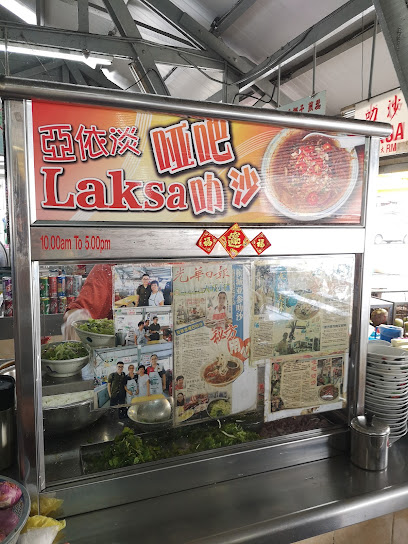
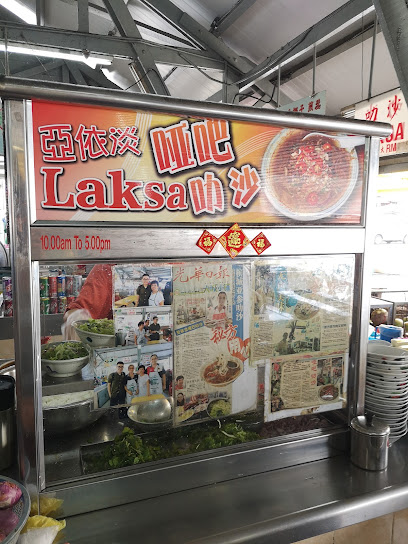
Walk inland toward Chulia Street, and the food gets heavier, spicier, more aggressive. This is where you’ll find the best assam laksa in Penang, and I’m not exaggerating. The broth should taste like it’s been simmering for hours with tamarind, galangal, and dried chilies—it should coat your mouth and make your nose run slightly. Order at one of the corner stalls near the intersection with Lebuh Campbell. The noodles are thin rice vermicelli, and they should be served in that broth with a dollop of sambal belacan on the side. Mix it in aggressively.
On the same street, find the satay vendors—they’re easy to spot because of the smoke. The meat should be charred on the outside, still slightly pink inside, and the peanut sauce should taste like it was ground fresh that morning, not from a jar. Eat at least six skewers. This isn’t gluttony; this is research.
The Breakfast Window: Penang’s Real Secret
Most travelers miss Penang’s breakfast scene entirely. Wake up at 6:30 a.m. and head to Lebuh Chulia. The nasi kandar vendors are already serving—rice with curry, usually chicken or mutton, with a fried egg on top. The curry should be runny enough to soak into the rice but concentrated enough that you taste every spice. Order it with a roti canai on the side, still hot from the griddle. The roti should shatter when you fold it, and it should have enough ghee that your fingers glisten afterward.
This is the food that locals eat before work, not the stuff that’s been sitting under heat lamps for tourists. It’s cheaper, better, and gone by 9 a.m.
Plan for two full days minimum. Eat breakfast at 7 a.m., lunch at noon, and dinner at 6 p.m. Skip the restaurants. The real Penang happens at street level, where the owners are cooking for people who live here, not people passing through.