10 Indonesian Dishes to Try Before You Die
I’ll never forget the moment a Padang grandmother showed me how to pound rendang paste by hand—not in a food processor—and I watched the coconut oil separate from the spice base as she worked. That’s when I understood that Indonesian cooking isn’t about shortcuts or single dominant flavours. It’s about building layers, balancing heat with richness, and respecting how different regions across this massive archipelago have developed completely distinct food cultures. If you’re serious about understanding Asian food, these 10 dishes deserve your attention.
The Spiced Meat Dishes That Define Indonesian Cooking
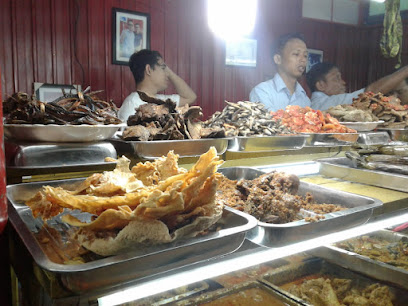
Rendang from West Sumatra is probably Indonesia’s most famous export, and for good reason. It’s beef (or chicken, or duck) slowly cooked down in coconut milk with galangal, garlic, chilies, and lemongrass until the liquid reduces to an oil-based coating. The meat becomes so tender it falls apart. But rendang isn’t alone. Gulai, which you’ll find across Sumatra and Java, uses similar spices but with more liquid—it’s a curry rather than a reduction. Then there’s satay (sate in Indonesian), which appears everywhere but tastes different depending on location. In Jakarta, the peanut sauce is thinner and spicier. In Yogyakarta, it’s thicker and slightly sweeter. Korma from the Sundanese regions of West Java uses yogurt or coconut cream with milder spices. Each tells you something about the region’s history and available ingredients. The common thread isn’t the recipe—it’s the technique of building flavour through slow cooking and layering aromatics.
The Soups and Stews That Show Real Technique
Soto ayam, a turmeric-based chicken soup, appears across Java but tastes distinctly different in each city. In Yogyakarta, it’s lighter and more delicate. In Surabaya, it’s richer and more assertive. The base is always chicken broth infused with turmeric, galangal, garlic, and shallots, finished with a squeeze of lime and served with rice or noodles. What makes it work is the balance—you’re not drowning in spice, but you feel every element. Soto Banjar from South Kalimantan adds lemongrass and uses beef instead, creating something earthier. Then there’s Rawon from East Java, a black soup made with beef and ground black nuts (kluwak), which sounds unusual but tastes deep and complex. These aren’t quick weeknight soups. They require time and attention, which is exactly why they matter. They teach you how Indonesian cooks think about building flavour through patience rather than intensity.
The Street Food and Snacks That Reveal Regional Identity
Pempek from Palembang in South Sumatra is something most Western cooks have never encountered—fish cakes made with tapioca, served in a tangy, spicy broth made from fish stock, garlic, and chilies. It’s humble, cheap, and absolutely delicious. Lumpia (spring rolls) vary wildly; in Semarang they’re filled with bamboo shoots and meat, while in Jakarta they’re often vegetarian. Gado-gado is a vegetable salad with peanut sauce that changes depending on who’s making it—some versions are nearly vegetarian, others include shrimp paste (terasi) that adds serious umami. Perkedel (potato croquettes) show up as street food and at family dinners. Martabak, a stuffed pancake, can be sweet or savoury. What these dishes share is accessibility—they’re not fancy, they’re not trying to impress, they’re just honest food that reflects how regular Indonesians eat.
The real lesson from exploring these 10 dishes isn’t that you need to master complex techniques or hunt down obscure ingredients. It’s that Indonesia’s food culture rewards curiosity and patience. Start with rendang or soto ayam if you want familiar entry points. Move toward pempek or rawon when you’re ready to explore flavours that don’t fit neatly into categories you already know. The archipelago’s diversity means there’s always something new to discover, and that’s exactly what makes it worth your time.