Tokyo
Tokyo Bangkok
 Seoul
Seoul Singapore
Singapore Street Food by Neighborhood: Local Eats Guide
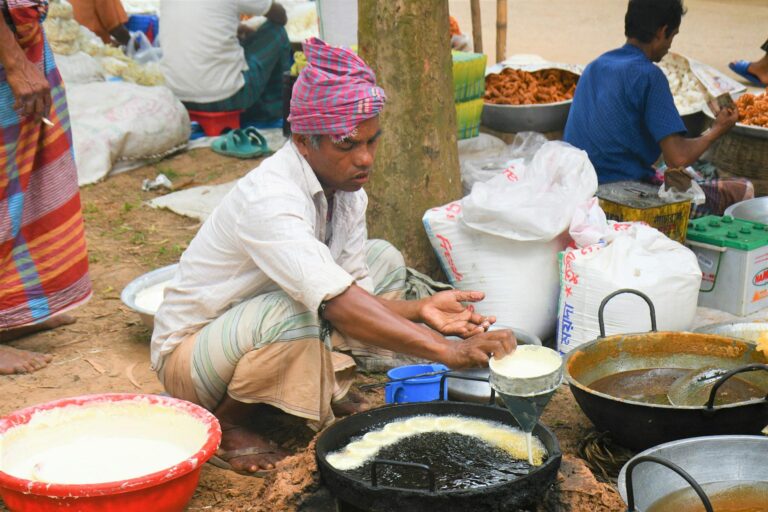
Watch a Tiong Bahru hawker turn a dough ball into a paper-thin crepe in seconds—just a hot griddle and years of muscle memory. Singapore’s street food isn’t about flashy tricks. It’s about getting the details right, every single time. This guide covers where locals actually eat.
Tiong Bahru: Soft Eggs, Crispy Dough, and the Breakfast Rush
Tiong Bahru Market is breakfast central. Skip the chains. Head straight to the hawker stalls by 7 AM for the good stuff. Kaya toast—thick coconut jam and butter on warm bread—comes with wobbly soft-boiled eggs and coffee strong enough to wake the dead. The kaya’s made slow, stirring eggs and coconut milk until it’s golden and thick.
Don’t miss the you tiao. These fried dough sticks look simple, but the oil has to be just hot enough. Dip them in sweet soy milk. Perfect. The chicken rice stalls here are killer too—tender poached chicken with chili sauce that’s spicy, gingery, and salty all at once. Warning: the best spots sell out by 8:30 AM.
Chinatown: Wok Hei and Dumplings Worth the Wait
Maxwell Food Centre is where char kway teow gets serious. The noodles should have a slight char, not swim in grease. Watch the cook work the wok—shrimp, sausage, sprouts, and sauce hitting the heat in quick succession. Stall 01’s version is legendary. Expect a line.
Yum Cha’s dim sum is no-frills and cheap. The har gow skins should tear at a glance. Siu mai must taste like actual pork, not filler. And those char siu bao? Pillowy buns with just enough sweet-salty pork inside. Go early—10 AM—before the carts thin out.
Geylang: Seafood Feasts and Midnight Bites
Geylang Lorong 9 doesn’t mess around. Chili crab here means whole crabs in a sauce that’s spicy, tangy, and rich. Use the mantou to mop it up. But the real magic happens late. After 10 PM, the streets fill with oyster omelettes—crispy edges, plump oysters, tamarind sauce cutting through the richness. Or grab satay with peanut sauce that tastes like someone just made it. Because they did.
Singapore’s food scene isn’t about secrets. It’s about timing. Hit Tiong Bahru at dawn, Chinatown by noon, Geylang past dark. Eat where the crowds are. They know.