Tokyo
Tokyo Bangkok
 Seoul
Seoul Singapore
Gamjatang: Korean Pork Bone Stew Guide & Regional Styles
The scent of gamjatang hits you first—ginger, soybean paste, and deep meaty notes swirling in the steam from a bubbling pot. Picture this: a tiny alley behind Myeongdong station, midnight, an ajumma tossing pork neck bones into fiery red broth. Nearby, a guy sweats over his bowl, gnawing bones with gusto. That’s the moment you realize Korean comfort food has levels.
Gamjatang isn’t about finesse. It’s pork neck bones stewed with potatoes, perilla leaves, and enough chili to wake the dead—all for about 10,000 won ($8). Drunk food? Hangover cure? Yes. Born from thrifty butchers selling unwanted cuts, someone cracked the code: slow-cook those bones with spice and starch, and magic happens. Sometime in the 1960s, probably. No one’s keeping receipts.
Seoul vs. Busan: Two Completely Different Bowls
Regional rivalry kicks in here. Seoul’s version leans polished—cleaner broth, tidy potato cubes, sesame seeds sprinkled like confetti. Places in Hongdae or Gangnam might even have chairs that don’t fold. The pork’s sweetness shines through, balanced by gentle heat.
Busan doesn’t play nice. Their broth is darker, thicker, packed with extra chili and fermented soybean punch. Vegetables crash the party—scallions, garlic, whatever’s around. Near Jagalchi market, stalls serve bowls with broth so deep red it’s almost black. The spice doesn’t build; it attacks. Perfect when you need food that fights back.
How to Actually Eat It Without Looking Lost
Forget chopstick etiquette. Spoon for broth and potatoes. Teeth for the bones—yes, teeth. The meat slips off after hours of stewing. Suck the marrow. Loudly. If you’re dainty about it, you’re missing the point.
Perilla leaves are your breather. Wrap a bone scrap, some potato, swipe it through ssamjang, and taco that thing. Rice goes in last, mixed with leftover broth. Skipping this step is like leaving a movie before the climax.
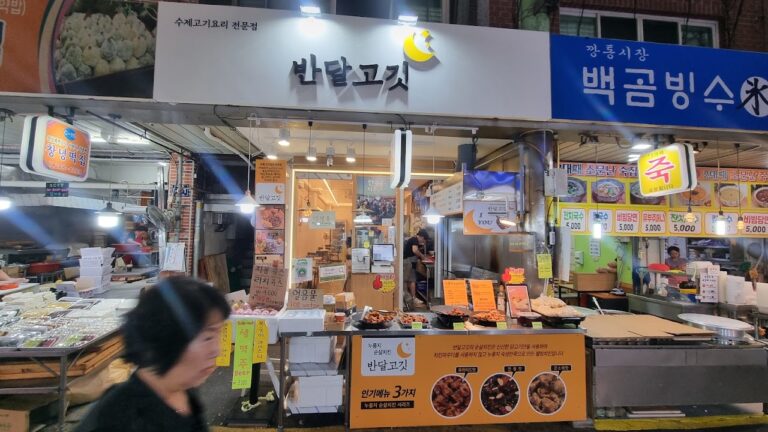
Skip the glossy spots. Hunt down a pojangmacha with plastic stools and a sign painted 20 years ago. Go late. Bring appetite. No one’s holding your hand—that’s the charm.