Hanoi Food Guide: Old Quarter Breakfasts & Bun Cha Alleys
Hanoi’s best meals happen before 8 a.m., in alleys so narrow you’ll brush shoulders with a motorbike, and they cost less than a mediocre cappuccino in your home city. Forget the restaurant guides—the real food happens on plastic stools, in places with no English signage, where the cook has been making the same three dishes for thirty years.
Old Quarter Breakfasts: Where Hanoi Actually Eats
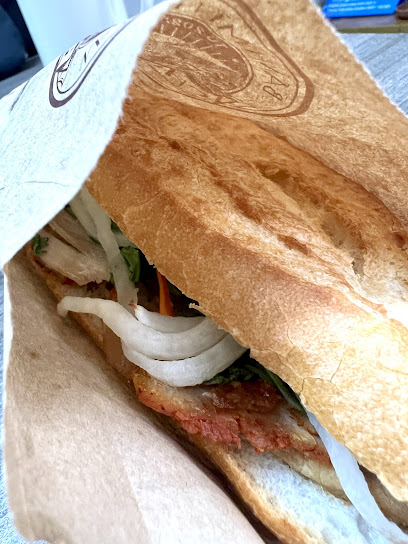
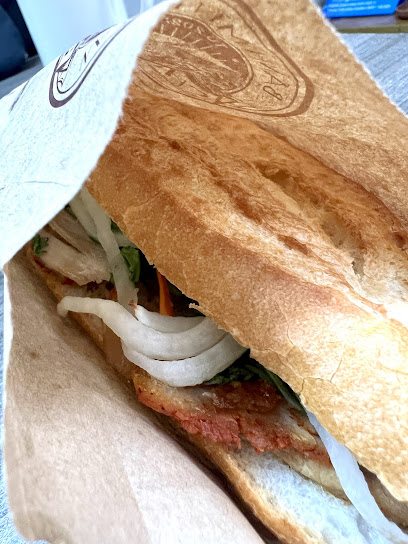
The Old Quarter isn’t a museum. It’s a functioning neighborhood where breakfast is the most important meal because lunch is still hours away and people have work. A proper Hanoi breakfast is either phở (beef noodle soup), cháo (rice porridge), or bánh mì (the Vietnamese sandwich that makes French baguettes look like practice rounds). The difference between good and bad is texture, broth clarity, and whether the cook respects their ingredients enough to start before dawn.
Phở Thin at 13 Lò Duc is the one everyone mentions, and they mention it because it’s legitimately excellent. The broth tastes like someone spent eight hours on it—because they did. The beef is thin enough to cook in the bowl, the noodles have actual chew. Go before 7 a.m. or don’t go. By 9 a.m., the best stuff is sold out.
But skip Phở Thin if lines bother you. Walk three minutes to Phở Ga Thành Thơm on Hàng Gà. It’s chicken phở—lighter, cleaner, less crowded. The broth tastes like actual chicken, not the brown water some places pass off as beef stock. A bowl costs about $1.50.
For cháo, find Cháo Cá at 49 Chân Cầm. It’s fish congee, which sounds boring until you realize the rice has been stirred for so long it’s become almost creamy, and the fish is fresh enough that it cooks in the hot broth in front of you. Add the fried shallots, the pickled vegetables, the chili oil. This is comfort food that actually comforts.
Bun Cha Alleys: The Lunch That Stopped a War
Bun cha is grilled pork over rice noodles with herbs and dipping sauce. It’s also the dish that brought Obama and Kerry to Hanoi in 2016 to eat with Anthony Bourdain—not because it’s fancy, but because it’s so fundamentally Hanoi that you can’t understand the city without understanding bun cha.
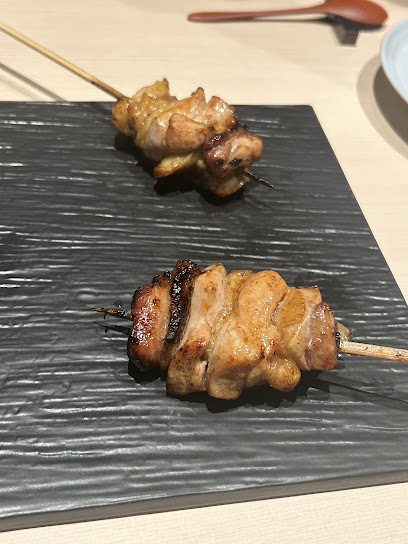
Bun Cha Hang Manh on Hang Manh Street is the alley where locals actually eat. There’s no sign in English. The pork is charred hard on the outside, stays pink inside, and tastes like someone actually seasoned it. The sauce is fish sauce, lime, sugar, and chili—four ingredients, done right. Order a plate, get a basket of herbs (mint, cilantro, dill), some rice paper if you want to make wraps, and sit on a plastic stool while the city wakes up around you. $3 feeds two people.
Don’t overthink it. The best bun cha in Hanoi isn’t a destination. It’s a place where construction workers and office staff eat the same lunch. The cook doesn’t care if you’re a tourist. They care if you eat fast so the next person can sit down.
Hanoi’s Coffee Shops: Where Time Actually Stops
Vietnamese coffee is strong, thick, and served over ice with sweetened condensed milk. It’s also an excuse to sit for three hours without anyone asking you to leave. This is where Hanoi happens—not in restaurants, but in coffee shops where the same people have sat in the same chairs for twenty years.
Cau Phe Pho Co at 11 Hàng Gai is an old French colonial building that sells coffee. Sit upstairs, order an egg coffee (yes, it’s real—whipped egg yolk, condensed milk, strong coffee), and watch the Old Quarter move below you. It costs $2. You can stay all day.
The truth other guides won’t tell you: Hanoi’s best food isn’t at restaurants. It’s at breakfast carts that disappear by 9 a.m., in alleys that don’t have names on Google Maps, and in coffee shops where the Wi-Fi doesn’t work and nobody cares. The city reveals itself to people willing to eat on plastic stools at dawn.
What Actually Matters
Wake up early. Go to Phở Thin or Phở Ga Thành Thơm before 7 a.m., eat a bowl of phở for $1.50, and understand why Hanoi wakes up hungry. Everything else follows from there.