Chiang Mai Street Food Guide: Neighborhood Eats
Chiang Mai’s street food scene exists because of a historical accident: when the city relocated from its original site in 1296, residents brought their recipes with them—and those dishes evolved differently than anywhere else in Thailand. Walk through the Old City today and you’re eating the result of seven centuries of culinary isolation. The food here doesn’t just taste different; it exists nowhere else quite like this.
Unlike Bangkok’s tourist-packed night markets, Chiang Mai’s neighborhoods reveal themselves slowly. You won’t find everything in one spot. Instead, each soi has its specialists, its regulars, and its unwritten rules about when things open and close. This guide breaks down where to actually eat well, without the marketing gloss.
Old City: Where Khao Soi Reigns and Breakfast Starts at 6 AM
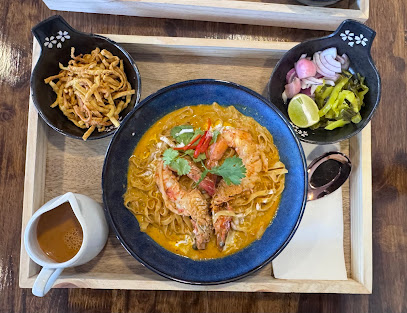
The Old City’s moat-enclosed streets contain the highest concentration of serious eating. Khao soi—egg noodles in a turmeric-rich curry broth—originated here, and the best bowls still come from family operations that’ve been doing this for decades. Khao Soi Om on Ratchadamnoen Road opens before dawn; locals queue for the silky broth made from chicken bones simmered overnight. The curry paste uses dried chilies, turmeric, and shallots pounded by hand each morning.
For breakfast, head to Warorot Market’s northern edge where vendors sell jok (rice porridge) with offal—liver, kidney, intestines—added to order. The broth is built from pork bones and dried scallop, giving it an umami depth that plain versions can’t match. Nearby, sai oua (northern Thai sausage) vendors grill their links over charcoal. The filling combines minced pork, kaffir lime leaves, and chilies, wrapped in intestine casings. Buy two sticks and ask for sticky rice on the side.
Nimman: Where Young Vendors Mix Tradition with Experimentation
Nimman Road attracts younger cooks who grew up eating street food and now run their own stalls with modern efficiency. The neighborhood still honors classic preparations but adds intentional tweaks. Sai Oua Nimman, near Chiang Mai University, makes their sausage with extra galangal and uses a wood-fired grill that gives the casings a proper char.
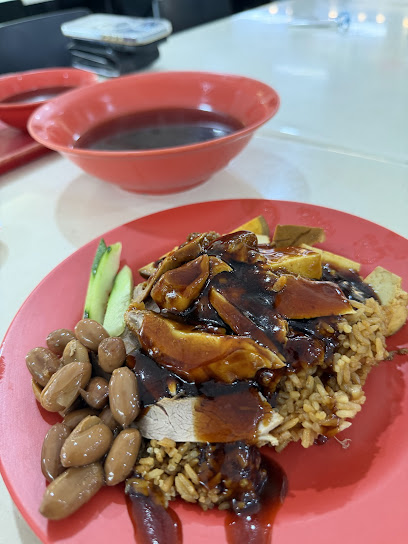
The real discovery here is khao kha moo (pork leg rice), sold from a cart near the Nimman-Huay Kaew intersection most afternoons. The vendor braises pork legs for six hours in a sauce of soy, star anise, and cinnamon. The meat slides off bone into silky strands. Ladle the braising liquid over rice, add a soft-boiled egg, and finish with fermented mustard greens. This dish rarely appears in guides, but locals eat it constantly.
For lunch, Ton Payom’s stall near the university serves nam prik ong—a tomato and pork dip—with fresh vegetables and crispy fried pork skin. The tomato base gets its complexity from shrimp paste and a touch of palm sugar, creating a savory-sweet balance that works as both dip and sauce.
Warorot and the Markets: Where Chiang Mai Eats When Nobody’s Watching
Warorot Market operates as the city’s actual kitchen, not a tourist attraction. Come mid-morning when locals do their shopping and grab breakfast simultaneously. The market’s interior stalls sell khao man gai (poached chicken and rice) that’s so straightforward—just chicken, ginger-infused rice, and a light soy-vinegar sauce—that quality becomes everything. The best vendors use heritage chicken breeds and refresh their stock constantly.
Outside the market’s east entrance, a cluster of stools surrounds vendors selling khao kha moo and larb (minced meat salad). The larb here uses equal parts minced pork and liver, toasted rice powder, lime juice, and fresh herbs. It arrives still warm from the mixing bowl. Nearby, a woman makes khao kriap (crispy rice cakes) by pressing rice onto a hot pan until it forms a golden shell, then filling it with a minced pork mixture and folding it like an omelet.
The key to eating well in Chiang Mai is timing. Arrive when vendors are actively cooking, not at the tail end of service. Most stalls operate between 6-10 AM and 11 AM-2 PM. Skip the polished restaurants and eat where the repetition shows: worn stools, specific regulars, and a line forming right when you arrive. That’s where the actual food is.

James Liu covers Chinese and East Asian cuisine for WokFeed. A food anthropologist turned journalist, he specializes in the regional diversity of Chinese cooking — from Sichuan's fiery flavors to Cantonese dim sum culture. Based between Hong Kong and San Francisco.